
DOE Training Programs
Recertification Course for Energy Managers
OVERVIEW
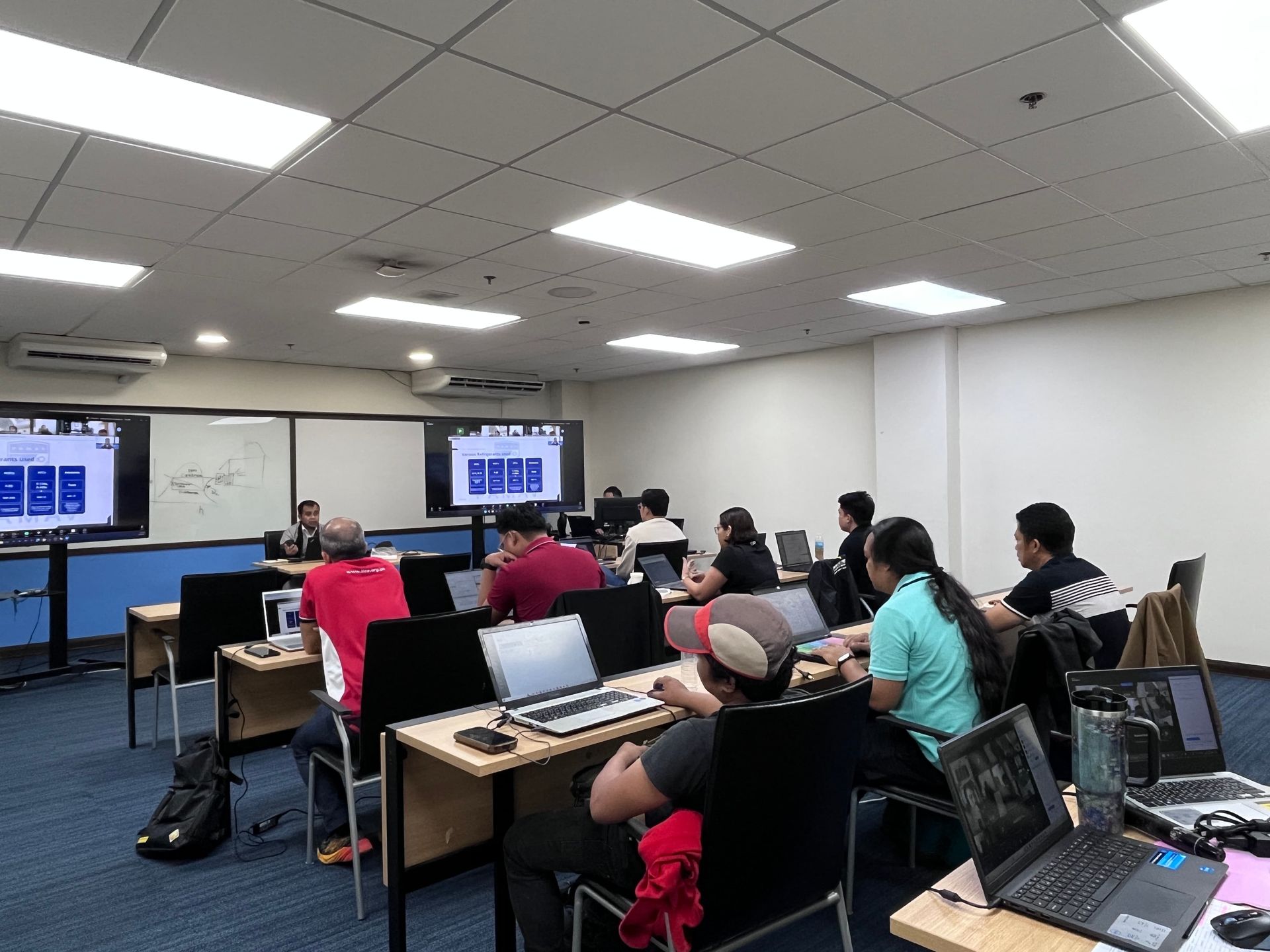
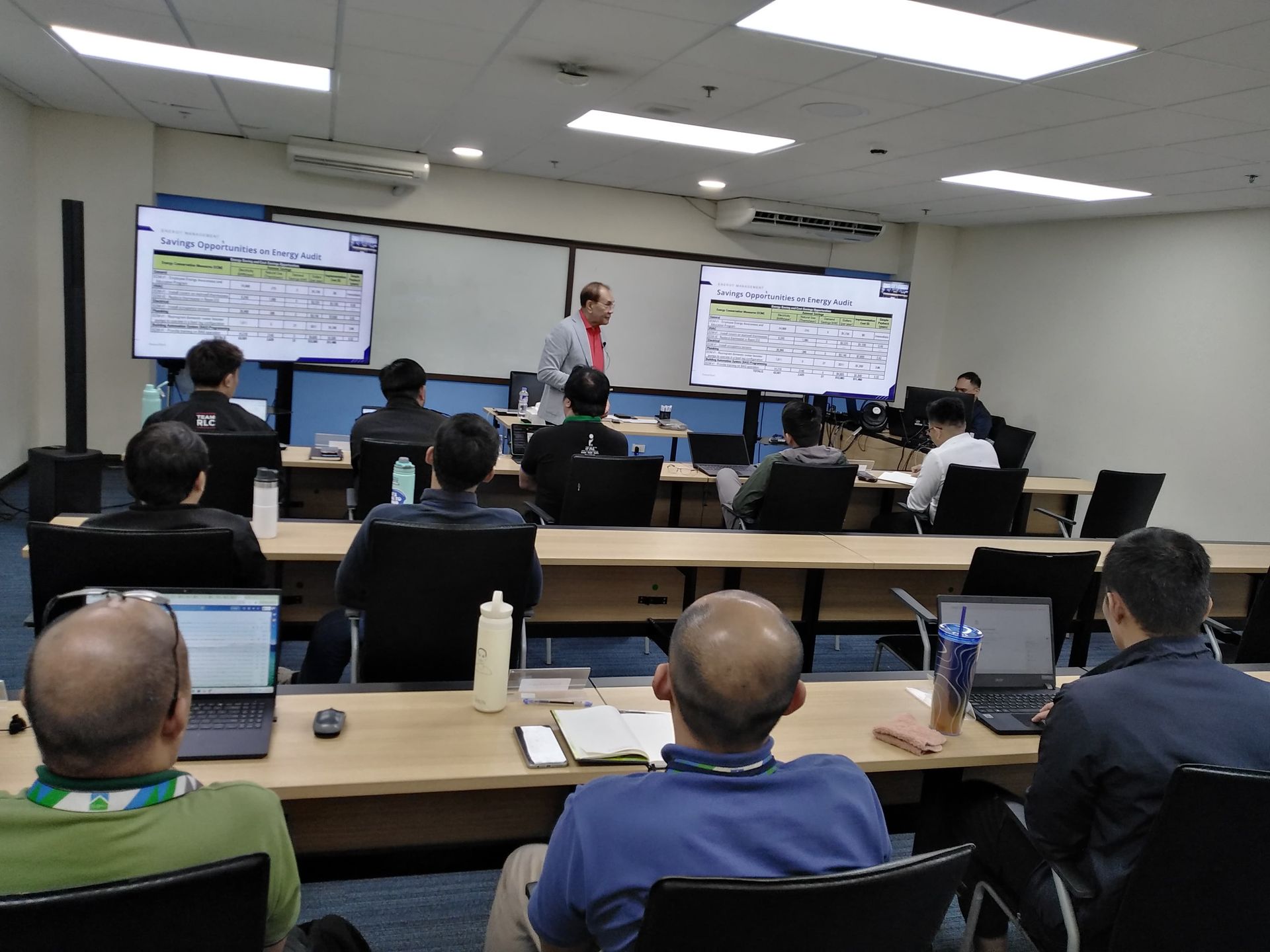
With the growing demand for energy efficiency and sustainability, the Department of Energy (DOE) has recognized the need for continuous professional development in energy management and auditing. Through its Implementing Guidelines, the DOE has set forth a rigorous standard for recertification, ensuring that Certified Energy Managers (CEM) and Certified Energy Auditors (CEA) are well-equipped to meet the industry’s evolving challenges.
The DOE’s recertification program is structured to foster excellence, emphasizing the importance of up-to-date knowledge in regulatory compliance, energy-efficient technologies, and advanced auditing practices. This program provides a comprehensive framework, combining theory with practical applications to reinforce the skills that certified professionals need to drive energy conservation initiatives effectively.
Our recertification courses follow these DOE guidelines, offering an in-depth curriculum that includes critical updates on policy changes, innovative energy solutions, data-driven auditing methodologies, and financial analysis for energy projects. Designed for certified professionals seeking to renew their credentials, these courses are essential for those committed to advancing their role in sustainable energy management and contributing to national and global energy goals.
LEARNING OBJECTIVES
The training aims to update professional competency in energy management and auditing through current regulations, emerging technologies, practical skills, and sustainability-focused practices.
- Maintain Professional Competency
Reinforce and expand upon foundational knowledge to ensure certified professionals uphold the high standards expected in energy management and auditing.
- Update Knowledge on Regulatory Changes
Provide participants with the latest updates on national and international energy policies, DOE standards, and compliance requirements to align with current industry regulations.
- Introduce Emerging Technologies and Techniques
Familiarize professionals with cutting-edge technologies, tools, and methods in energy efficiency, including energy-saving innovations, advanced data analysis, and sustainability solutions.
- Enhance Practical Skills in Energy Auditing and Management
Strengthen skills in implementing energy monitoring systems, conducting comprehensive energy audits, and applying advanced auditing techniques for accurate and effective evaluations.
- Develop Financial Analysis Competence for Energy Projects
Train participants in lifecycle cost analysis, ROI assessment, and financial risk evaluation, enabling them to present financially sound energy solutions.
- Encourage Continuous Improvement and Lifelong Learning
Instill a commitment to ongoing professional development, ensuring that certified professionals remain at the forefront of the energy sector’s advancements and best practices.
- Promote Sustainability and Energy Efficiency Leadership
Equip participants to lead and influence sustainable practices within their organizations, driving energy conservation and reducing environmental impact.
TOPICS TO BE DISCUSSED
Day 1
- Course 1: Updates on the EEC Act and Other Related Issuances
- Course 2: Introduction to Level 2 Energy Audit
- Course 3: Introduction to the Energy Conserving Design for Buildings
- Course 4: Advanced Mechanical Systems
Day 2
- Course 5: Advanced Electrical Systems
- Course 6: Advanced Building Envelope
- Course 7: Sustainability, Environmental, and Water System Design
- Course 8: Internet of Things (IoT) and Data Analytics
RESOURCE PERSON

Engr. Rafael A. Dimaculangan, ECE
Training Manager and Program Development Head
PAMAV Training Institute and Technology Center, Inc.
He is currently the Training Manager and Head of Program Development at PAMAV Training Institute and Technology Center Inc. He previously worked as a University Researcher at Jose Rizal University and as an Energy Research and Program Development Engineer and Program Manager at Meralco Power Academy.
He is an Electronics Engineer specializing in Mechatronics Systems and Instrumentation & Process Control, with professional experience as a Senior Automation Engineer (PLC Programmer), Technical Manager, and Project Manager in various technology and engineering firms.
He earned his Master of Engineering in Electrical Engineering from the Technological University of the Philippines and is currently pursuing a Doctor of Engineering Management at Pamantasan ng Lungsod ng Maynila. He has also served as a Professor at National University–Manila and Far Eastern University College of Engineering.
He is a Certified Energy Manager and Certified Energy Auditor, with experience in energy systems, automation, research, project management, and technical training.
REQUIREMENTS
- Complete the required courses
- Secure an endorsement from your Designated Establishment (DE)
- Submit your latest energy reports (AEUR, AEECR, EAR)
- Expired certificates accepted if within 2 YEARS of expiration
TRAINING INCLUSIONS
- Certificate of Attendance
- E-Handouts