

Technical Programs
Arc Flash Risk Assessment


OVERVIEW
A practical Arc Flash Risk Assessment training course can significantly reduce injuries from Arc Flash and Arc Blast events.
WHO SHOULD ATTEND
- Design Engineers
- Power System Engineers
- Relay Engineers
- Project Engineers
- Operation/Maintenance Engineers
- Electrical Engineering Technicians (PEE, REE, RME graduates)
- Electrical Practitioners
LEARNING OBJECTIVES
At the end of the program, the participants will be able to:
- Review the fundamental principle of Arc flash hazards.
- Interpret and perform incident energy and flash protection boundary calculations using the IEEE 1584 standard.
- Identify stock and flash protection boundaries.
- Classify proper PPE categories.
- Utilize power system software to evaluate arc flash hazards.
- Analyze Arc flash mitigation techniques.
TOPICS TO BE DISCUSSED
Course Introduction
Module 1: Arc Flash Safety Fundamentals
- Identify arc flash and electrical hazards to work safely, reduce injury risk, and demonstrate professional safety awareness in electrical roles.
- Assess arc flash severity and incident energy to make informed decisions during electrical tasks and support safe work planning.
- Apply electrical safety codes, standards, and risk assessment processes to meet regulatory requirements and strengthen professional credibility.
- Interpret arc flash labels, protection boundaries, and PPE requirements to ensure compliance, personal protection, and reliable job performance.
Module 2: Arc Flash Calculations and Analysis (IEEE 1584-2018)
- Perform low-voltage arc flash calculations using IEEE 1584-2018, building advanced technical skills valued in engineering and safety careers.
- Calculate arcing current, incident energy, and enclosure correction factors to produce accurate and defensible arc flash study results.
- Determine arc flash boundaries and PPE requirements to support compliant labeling, safe work procedures, and risk reduction.
- Apply calculation results to real-world electrical systems to support engineering decisions, safety improvements, and career advancement.
Module 3: Medium-Voltage Arc Flash Calculations (IEEE 1584-2018)
- Perform medium-voltage arc flash calculations using IEEE 1584-2018, developing specialized analytical skills required for advanced electrical and power system roles.
- Calculate arcing current and apply enclosure size correction factors to accurately model medium-voltage equipment behavior.
- Determine incident energy levels to support PPE selection, equipment labeling, and safe work practices in medium-voltage systems.
- Calculate arc flash boundaries to assist in risk assessment, work planning, and regulatory compliance for high-energy environments.
Module 4: Arc Flash Mitigation and Energy Reduction
- Explain the importance of arc flash mitigation to improve personnel safety, reduce operational risk, and support organizational safety goals.
- Identify common arc flash mitigation techniques for medium-voltage systems, strengthening problem-solving and system optimization skills.
- Evaluate methods for reducing arc flash energy levels to enhance system safety while maintaining reliability and performance.
- Apply mitigation strategies to real-world scenarios to support engineering decisions, safety improvements, and career growth in electrical and safety-focused roles.
RESOURCE PERSON 1

Engr. Jerome Pascual, REE
Testing and Commissioning Engineer
Westco Electrical & Equipment Corp.
Engr. Pascual graduated Bachelor of Science in Electrical Engineering from Technological Institute of the Philippines.
He attended trainings such as: SKM Power System Software Orientation, Building Wiring and Safety, Power System Loss Minimization and Load Balancing Seminar. He also handles the Electrical System Study of Universal Robina Corp BOPP Plant and UFLEX Plant 1, to assess the technical implications whether the electrical system complies with the minimum electrical standards such as Philippine Electrical Code and other applicable standards.
He is currently the Testing and Commissioning Engineer for Westco Electrical and Equipment Corp. and a resource speaker for Pamav Training Institute and Technology Center Inc.
RESOURCE PERSON 2

Engr. Eugene Mababa, REE
Protection Engineer
Westco Electrical & Equipment Corp.
Graduated Bachelor of Science in Electrical Engineering from Technological Institute of the Philippines.
His engineering practice involves facility site surveys, project analysis which includes sizing of transformer, feeder lines, standard pole height and clearances of medium voltage primary lines. He also conducts and performs protection relay (numerous brands/models i.e. Siemens, GE, Schneider, Fuji Electric, etc. and functions) testing and commissioning, interpreting manuals, schematic and wiring diagrams, protection relay retrofit works and preparation of schematic diagram after the retrofit works. A seasoned Lecturer of PamavTech and currently Protection Engineer of Westco Electrical & Equipment Corp.
REQUIREMENTS
- No strict requirements required.
- Open to Electrical Engineers, Safety Officers, Registered Master Electricians, Electrical Technicians, Maintenance Personnel, Testing and Commissioning Engineers, Engineering Students, and individuals involved in electrical safety, power systems, and industrial maintenance.
- Basic knowledge of electrical systems and safety practices is an advantage but not mandatory.
TRAINING INCLUSIONS
- Certificate of Attendance
- E-Handouts
- Earn CPD Points for ELECTRICAL ENGINEERING COUNCIL
This program is accredited by:
Top Courses
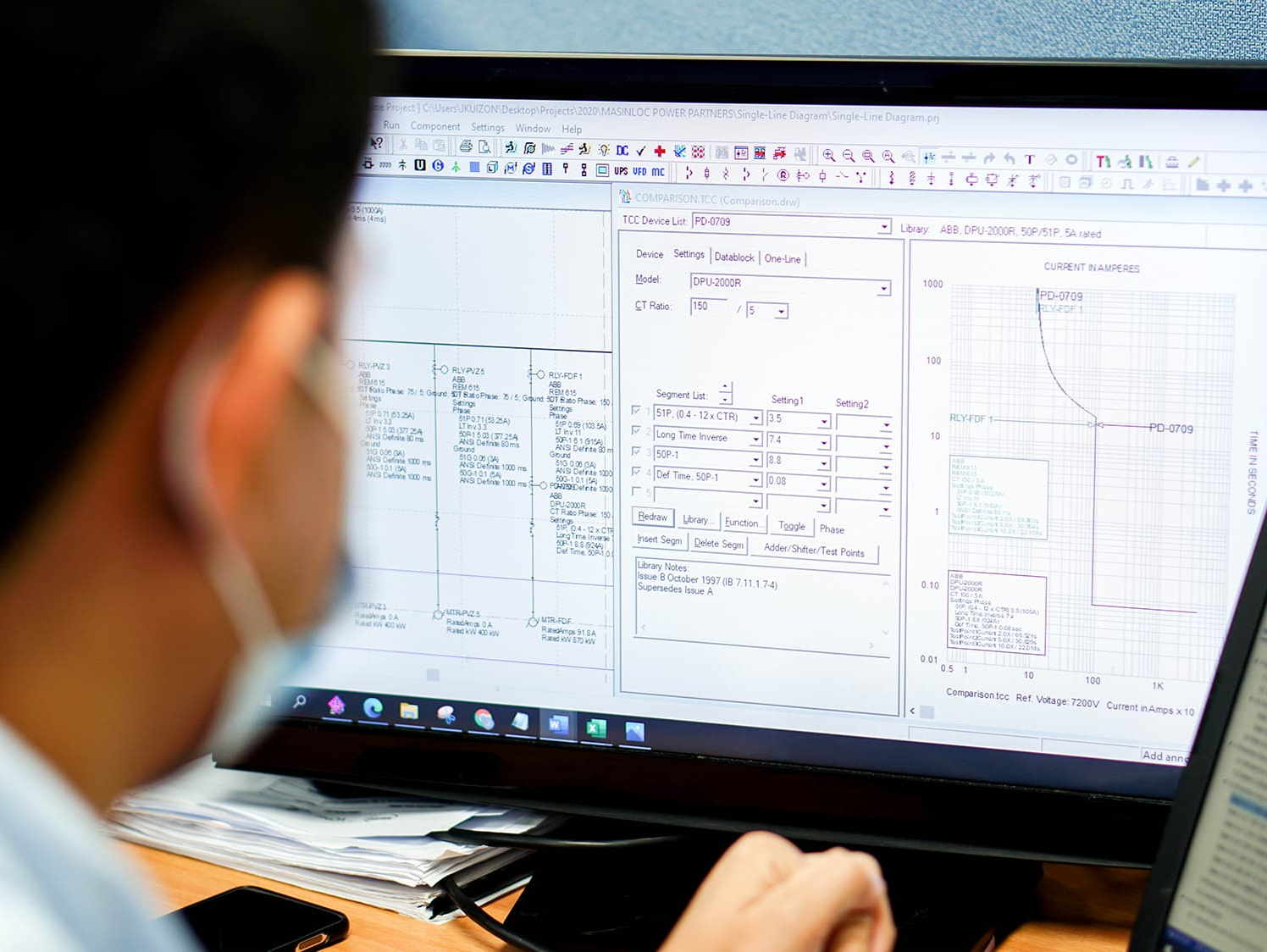
Electrical System Protection Coordination
Power System Analysis are an essential part of electrical power system design. Load flow analysis, short circuit analysis, and protection coordination are necessary to verify that the electrical system including the system components, are correctly specified to perform as intended, withstand expected stress, and be protected against failures.
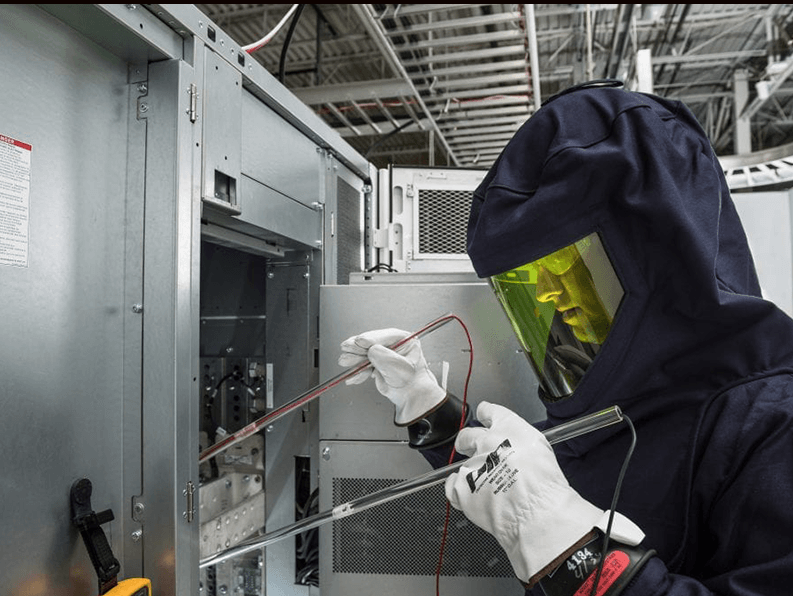
Electrical Safety in the Workplace for Mission Critical Facilities
This program will discuss the Electrical Safety-related work practices necessary to prevent workplace accidents. The program involves topics on preservation and protection of both the workers and the physical assets in the workplace hence, promoting a safe and healthy environment.
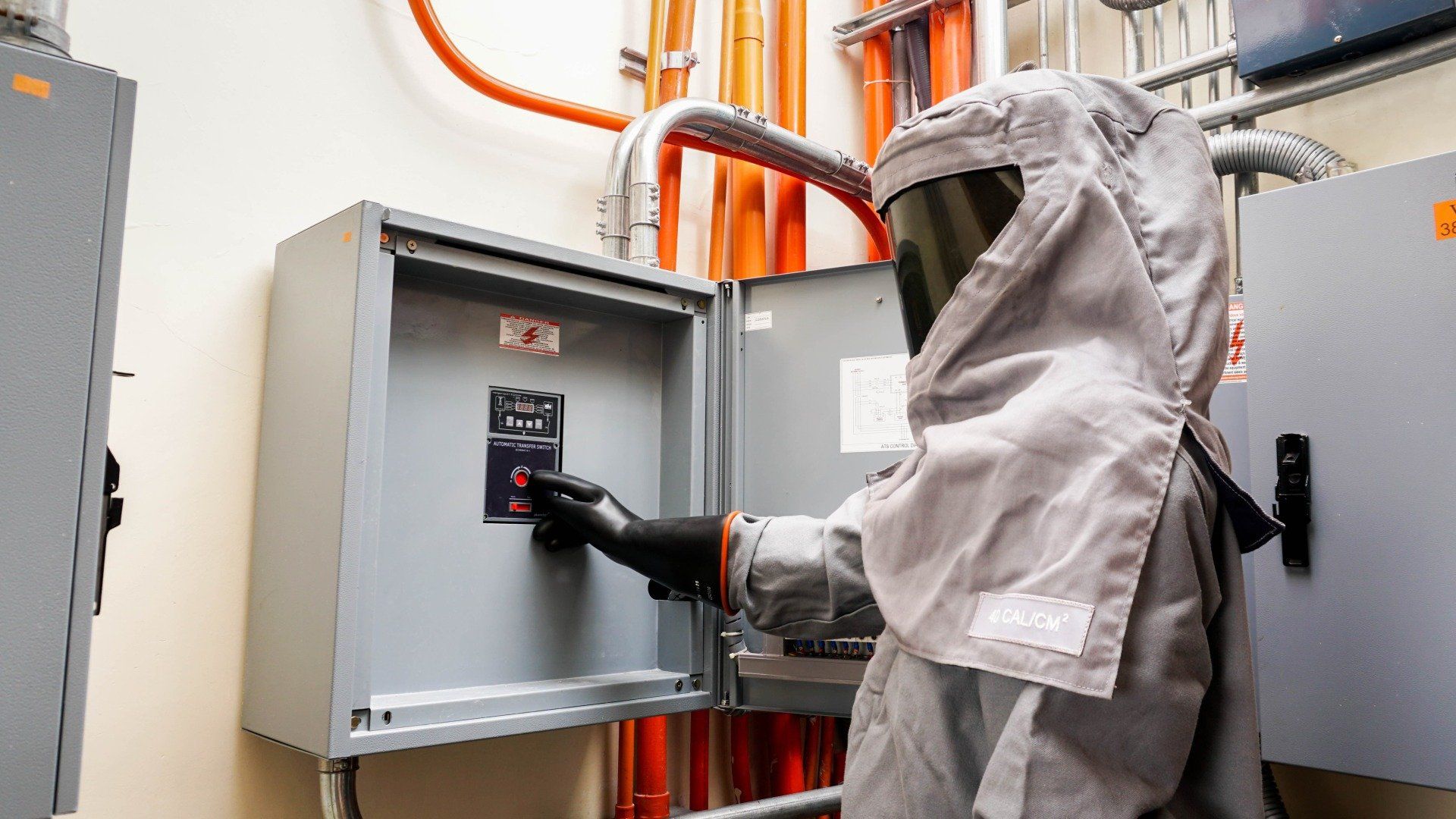
Arc Flash Risk Assessment
Proper implementation of Arc Flash Risk Assessment can significantly reduce injuries from Arc Flash and Arc blast events.