

Technical Programs
Electrical System Protection Coordination
OVERVIEW
Power System Analyses are an essential part of electrical power system design. Load flow analysis, short circuit analysis, and protection coordination are necessary to verify that the electrical system including the system components, is correctly specified to perform as intended, withstand expected stress, and be protected against failures.
WHAT YOU'LL LEARN
- Load Flow Analysis: Manual and software-based calculations.
- Short Circuit Analysis: Symmetrical & asymmetrical currents, fault calculations.
- Protection Coordination: Time-Current Curves (TCC), equipment damage curves, and setting protection devices.
WHO SHOULD ATTEND
- Electrical Engineers
- Power System Analysts
- Project Engineers
- Maintenance
- Engineers
- Technicians
WHY JOIN?
Gain the knowledge to design and maintain reliable electrical systems, reduce risk, and enhance safety. Don’t wait for a failure—be proactive and optimize your protection strategies!
LEARNING OBJECTIVES
By the end of this program, participants will confidently apply practical power system analysis and protection techniques to real-world scenarios. Drawing on their prior experience, they will:
- Apply load flow, short circuit analysis, and protection coordination in real-world power systems.
- Analyze per-unit calculations, symmetrical components, and fault scenarios to make informed decisions.
- Perform short circuit and voltage drop calculations, selecting appropriate protective devices.
- Integrate protection fundamentals—data, fault analysis, equipment, and safety—into practical solutions.
- Use power system software to create one-line diagrams, interpret time-current curves, and prevent equipment damage.
TOPICS TO BE DISCUSSED
DAY 1
Course Introduction
Module 1: Load Flow Analysis
At the end of this module, the participants should be able to:
- Grasp key principles of power system protection and coordination for effective decision making
- Apply system modeling and structured methods to evaluate and optimize protection strategies
- Perform manual load flow calculations to enhance analytical and problem-solving skills
- Use power system software (SKM Power Tools) to simulate, verify, and improve system performance
Day 2
Module 2: Short Circuit Analysis
At the end of this module, the participants should be able to:
- Understand short circuit characteristics and differentiate symmetrical and asymmetrical currents
- Verify available short circuit currents and assess equipment ratings for safe system operation
- Perform balanced and unbalanced short circuit calculations using manual methods and SKM Power Tools
- Apply symmetrical components and sequence networks to analyze faults and optimize system reliability
Day 3
Module 3: Protection Coordination
At the end of this module, the participants should be able to:
- Understand time-current and equipment damage curves to assess system protection
- Interpret protective device characteristics and apply fundamental coordination principles
- Determine protection settings, coordinating time intervals, and ground fault strategies
- Use SKM Power Tools to simulate and optimize protection coordination for real-world systems
RESOURCE PERSON 1

Engr. Eugene Mababa, REE
Protection Engineer
Westco Electrical & Equipment Corp.
Graduated Bachelor of Science in Electrical Engineering from Technological Institute of the Philippines.
His engineering practice involves facility site surveys, project analysis which includes sizing of transformer, feeder lines, standard pole height and clearances of medium voltage primary lines. He also conducts and performs protection relay (numerous brands/models i.e. Siemens, GE, Schneider, Fuji Electric, etc. and functions) testing and commissioning, interpreting manuals, schematic and wiring diagrams, protection relay retrofit works and preparation of schematic diagram after the retrofit works. A seasoned Lecturer of PamavTech and currently Protection Engineer of Westco Electrical & Equipment Corp.
RESOURCE PERSON 2

Engr. Jerome Pascual, REE
Testing and Commissioning Engineer
Westco Electrical & Equipment Corp.
Engr. Pascual graduated Bachelor of Science in Electrical Engineering from Technological Institute of the Philippines.
He attended trainings such as: SKM Power System Software Orientation, Building Wiring and Safety, Power System Loss Minimization and Load Balancing Seminar. He also handles the Electrical System Study of Universal Robina Corp BOPP Plant and UFLEX Plant 1, to assess the technical implications whether the electrical system complies with the minimum electrical standards such as Philippine Electrical Code and other applicable standards.
He is currently the Testing and Commissioning Engineer for Westco Electrical and Equipment Corp. and a resource speaker for Pamav Training Institute and Technology Center Inc.
REQUIREMENTS
- There are no strict requirements to join the Electrical System Protection Coordination training. However, participants with background or experience in electrical engineering, electrical maintenance, power systems, or related technical fields will benefit the most from the program.
TRAINING INCLUSIONS
- Certificate of Attendance
- E-Handouts
- Earn CPD Points for ELECTRICAL ENGINEERING COUNCIL
This program is accredited by:
Top Courses
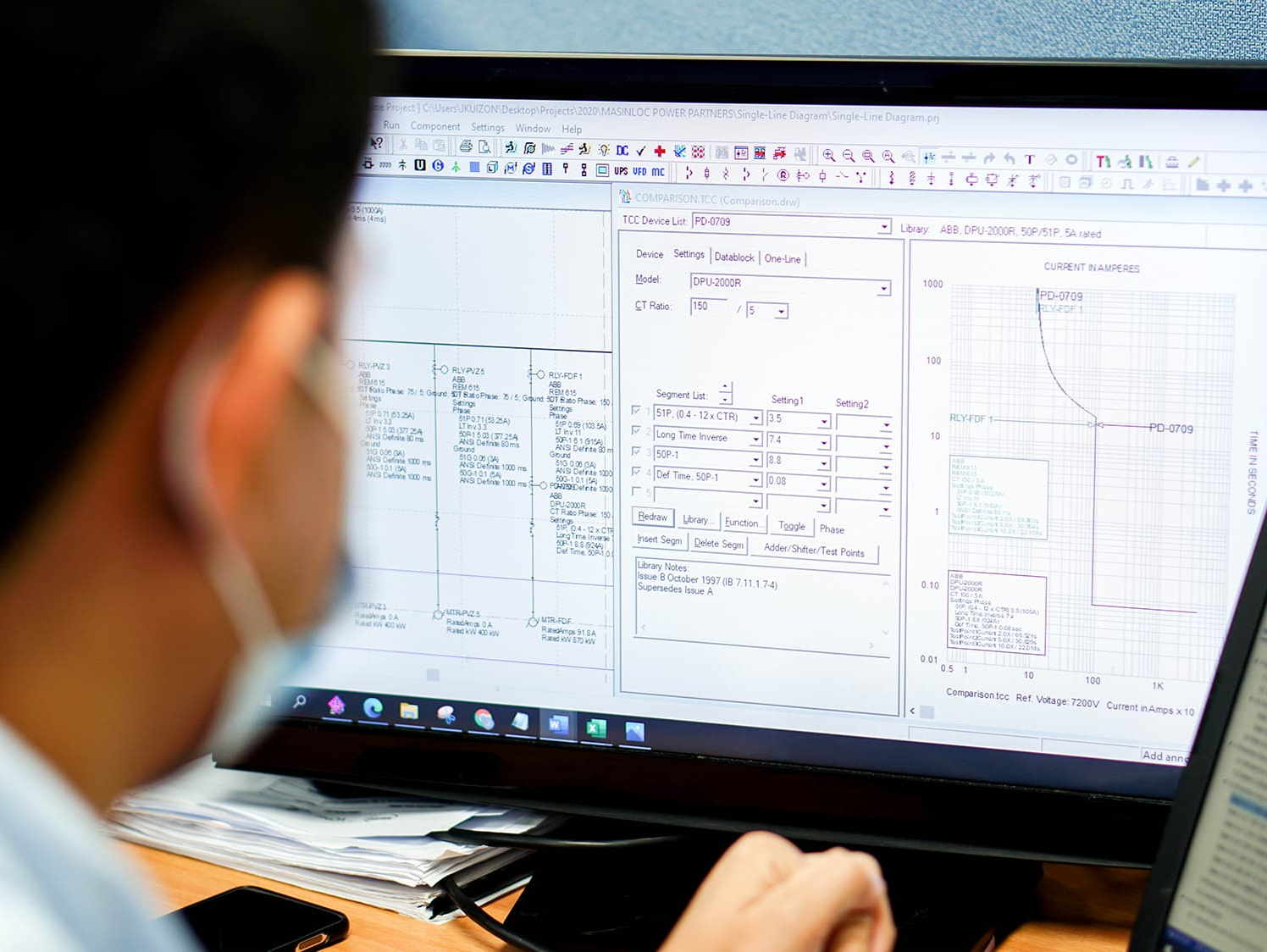
Electrical System Protection Coordination
Power System Analysis are an essential part of electrical power system design. Load flow analysis, short circuit analysis, and protection coordination are necessary to verify that the electrical system including the system components, are correctly specified to perform as intended, withstand expected stress, and be protected against failures.
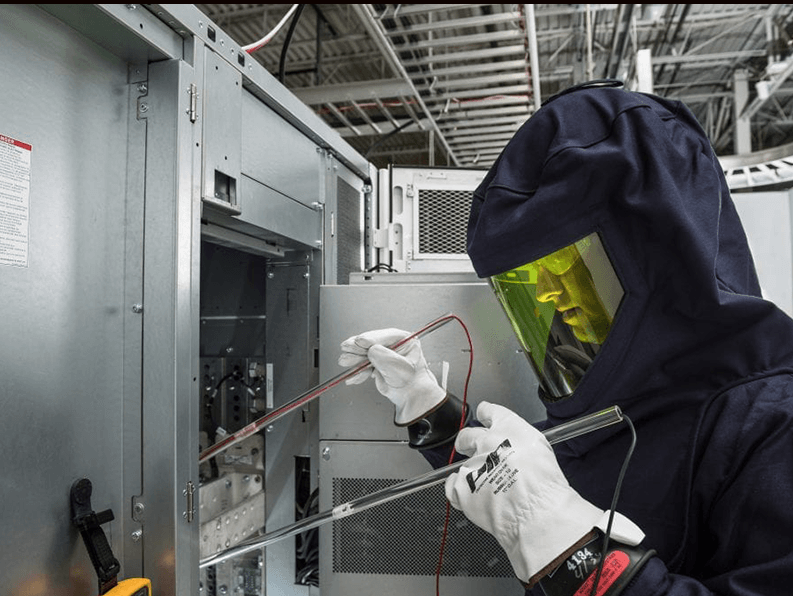
Electrical Safety in the Workplace for Mission Critical Facilities
This program will discuss the Electrical Safety-related work practices necessary to prevent workplace accidents. The program involves topics on preservation and protection of both the workers and the physical assets in the workplace hence, promoting a safe and healthy environment.
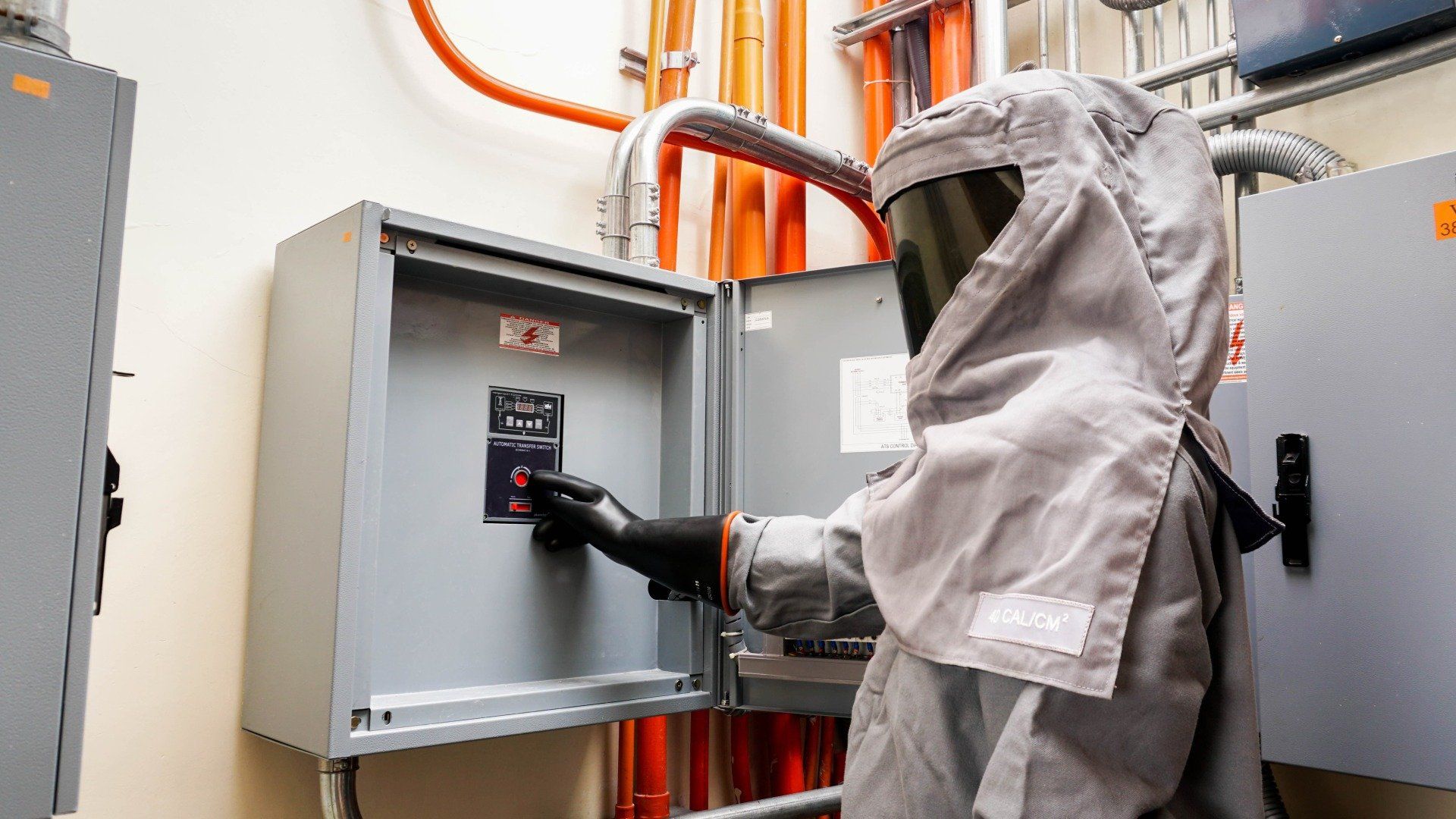
Arc Flash Risk Assessment
Proper implementation of Arc Flash Risk Assessment can significantly reduce injuries from Arc Flash and Arc blast events.