
Technical Programs
Dissolved Gas Analysis in Transformer Insulating Oil


OVERVIEW
This seminar enhances a better understanding of how transformer insulating oil reacts after long use and for maintenance management and its technical team to prepare for its maintenance programs. This will also guide non-chemist staff at the site to understand how to read insulating oil analysis, specifically DGA and Oil Quality tests.
WHO SHOULD ATTEND
- Electrical Technicians
- Asset Engineers & Managers
- Transformer Operation & Maintenance Personnel
- Chemists & Chemical Technicians
LEARNING OBJECTIVES
By the end of this training, the participants will be able to:
- Understand the mechanisms of gas formation in transformer insulating oil.
- Apply dissolved gas analysis (DGA) diagnostic tools for transformer condition assessment.
- Identify and interpret the different insulating oil tests used in transformer analysis.
- Perform proper sampling procedures for transformer insulating oil.
- Monitor and evaluate dissolved gas trends to support preventive maintenance and fault diagnosis.
TOPICS TO BE DISCUSSED
DAY 1
Course Introduction
A. Oil Quality Test
- Understand the purpose and importance of standard insulating oil quality tests, enabling accurate assessment of transformer health and reliability in daily operations.
- Identify the different oil quality tests used for transformer assessment, enhancing technical competence and problem-solving skills.
- Interpret test results in relation to oil condition and transformer performance, supporting informed maintenance decisions and operational efficiency.
- Recognize abnormal results that may indicate deterioration or faults, improving troubleshooting skills and positioning participants for advanced roles in asset management.
B. IEEE Specifications
- Become familiar with relevant IEEE standards for transformer insulating oil and DGA, ensuring compliance and demonstrating professional expertise.
- Understand acceptable limits and criteria defined in the standards, supporting accurate decision-making in maintenance and operations.
- Apply IEEE specifications when evaluating oil test and DGA results, enhancing credibility and reliability in technical roles.
- Ensure compliance with standards in transformer condition monitoring, strengthening professional reputation and career growth opportunities.
C. Principles of Dissolved Gas Analysis
- Understand the mechanisms of gas generation in transformer insulating oil, enabling early fault detection and reducing operational risk.
- Identify key gases associated with different fault types, improving diagnostic skills and technical competency.
- Understand the relationship between gas patterns and transformer operating conditions, enhancing ability to assess transformer health effectively.
- Interpret basic DGA results using established principles, supporting proactive maintenance and professional development in power system operations.
- D. Factors Influencing Gas-in-Oil Concentrations During Storage
- Identify factors affecting gas concentrations during oil sampling and storage, ensuring accuracy of DGA results in real-world operations.
- Understand the impact of handling and storage conditions on DGA accuracy, reducing errors and demonstrating reliability in technical work.
- Recognize sources of contamination or gas loss in oil samples, enhancing sample integrity and operational confidence.
- Apply best practices to preserve sample integrity, supporting consistent results and positioning participants as skilled professionals in transformer maintenance.
E. Gas-in-Oil Standards
- Understand international and industry gas-in-oil standards, enabling adherence to best practices and regulatory compliance.
- Identify acceptable gas concentration limits and trending criteria, supporting accurate condition assessment and risk management.
- Compare results against standard thresholds for condition assessment, improving analytical skills and decision-making in maintenance planning.
- Use standards as a basis for maintenance and operational decisions, strengthening technical judgment and professional credibility.
F. Different DGA Diagnostic Tools
- Understand the principles of various DGA diagnostic methods, enhancing technical expertise and analytical capability.
- Compare the strengths and limitations of different diagnostic tools, supporting selection of appropriate tools for operational needs.
- Apply appropriate DGA tools for fault identification, improving troubleshooting skills and proactive maintenance performance.
- Support maintenance decisions using diagnostic tool results, demonstrating leadership and advanced competency in transformer asset management.
G. Hands-On: Insulating Oil Analysis
- Perform proper transformer oil sampling procedures, ensuring accuracy and reliability in real-world applications.
- Conduct basic insulating oil tests safely and accurately, building practical technical skills and confidence.
- Analyze and interpret oil test and DGA results, supporting informed maintenance decisions and operational efficiency.
- Document findings and recommend appropriate follow-up actions, enhancing professional accountability and career development opportunities.
- H. DGA Sampling Procedures & Basic Interpretations of Lab Results
- Perform transformer oil sampling using syringe and bottle methods for DGA and oil quality tests, ensuring accurate results that support maintenance decisions and enhance professional credibility.
- Apply proper handling, storage, and preservation of oil samples, minimizing errors and demonstrating reliability in technical responsibilities.
- Interpret DGA results using IEEE C57.104-2008/IEC60599, DUVAL’s Triangle, and DUVAL’s Pentagon, enabling early fault detection and strengthening analytical skills valuable for career advancement.
- Apply case studies to correlate gas patterns with transformer faults, improving problem-solving abilities and preparing participants for higher-responsibility roles in asset management.
I. Online Dissolved Gas Monitoring
- Understand the evolution and capabilities of online DGA monitoring systems, providing context to implement modern solutions and stay current in the industry.
- Identify gases monitored at different stages (H₂, CO, 5 fault gases, 9 key gases) to select appropriate monitoring strategies, enhancing technical decision-making and operational expertise.
- Recognize practical applications and limitations of online DGA monitoring, supporting informed maintenance planning and demonstrating leadership in technical roles.
- Compare offline DGA testing with online monitoring, improving efficiency, proactive fault management, and positioning participants as forward-thinking professionals.
- J. Operating Principles of Online DGA Monitor
- Understand the fundamental operating principles of online DGA monitors to effectively oversee monitoring systems and build technical mastery.
- Identify the components and functions of online DGA systems to troubleshoot and maintain equipment, boosting confidence and competence in specialized roles.
- Recognize how online monitors detect and quantify gases in transformer oil, supporting accurate condition assessment and professional credibility.
- Analyze data output from online DGA systems to make informed decisions that improve transformer reliability and strengthen leadership skills in operations.
K. Advantages of Online DGA Monitor
- Understand the benefits of continuous transformer condition monitoring to enhance preventive maintenance practices and showcase proactive technical capabilities.
- Recognize how online DGA improves early fault detection and reliability, reducing operational risk and highlighting participants’ value to their organization.
- Compare efficiency and accuracy of online DGA versus periodic lab testing, enabling optimized workflows and demonstrating strategic thinking.
- Apply knowledge of advantages to implement effective monitoring strategies, improving asset management, decision-making, and career growth opportunities in technical leadership.
RESOURCE PERSON

Hope Pallones, RCh
Laboratory Chemist
Westco Electrical & Equipment Corp.
Ms. Pallones graduated Bachelor of Science in Chemistry in Pamantasan ng Lungsod ng Maynila. she has twenty years of experience in chemical laboratory analysis. She has a solid background on ISO 17025, ISO 9001, cGMP based on PICS and FDA In addition, she has significant experience in auditing based on ISO 17025 and ISO 9001. Also, a significant exposure in equipment calibration on the laboratory.
Extensive knowledge on quality control, good laboratory practices and good manufacturing practices. She attended a training on Condition Assessment through Laboratory Analysis by DOBLE Engineering.
REQUIREMENTS
- No strict requirements required.
- Open to Electrical Engineers, Registered Master Electricians, Electrical Technicians, Maintenance Personnel, Energy Auditors, Facility Engineers, Engineering Students, and individuals involved in electrical systems, power distribution, and energy management.
- Basic knowledge of electrical systems and power distribution is an advantage but not mandatory.
TRAINING INCLUSIONS
- Certificate of Attendance
- E-Handouts
- Earn CPD Points for ELECTRICAL ENGINEERING COUNCIL
This program is accredited by:

Top Courses
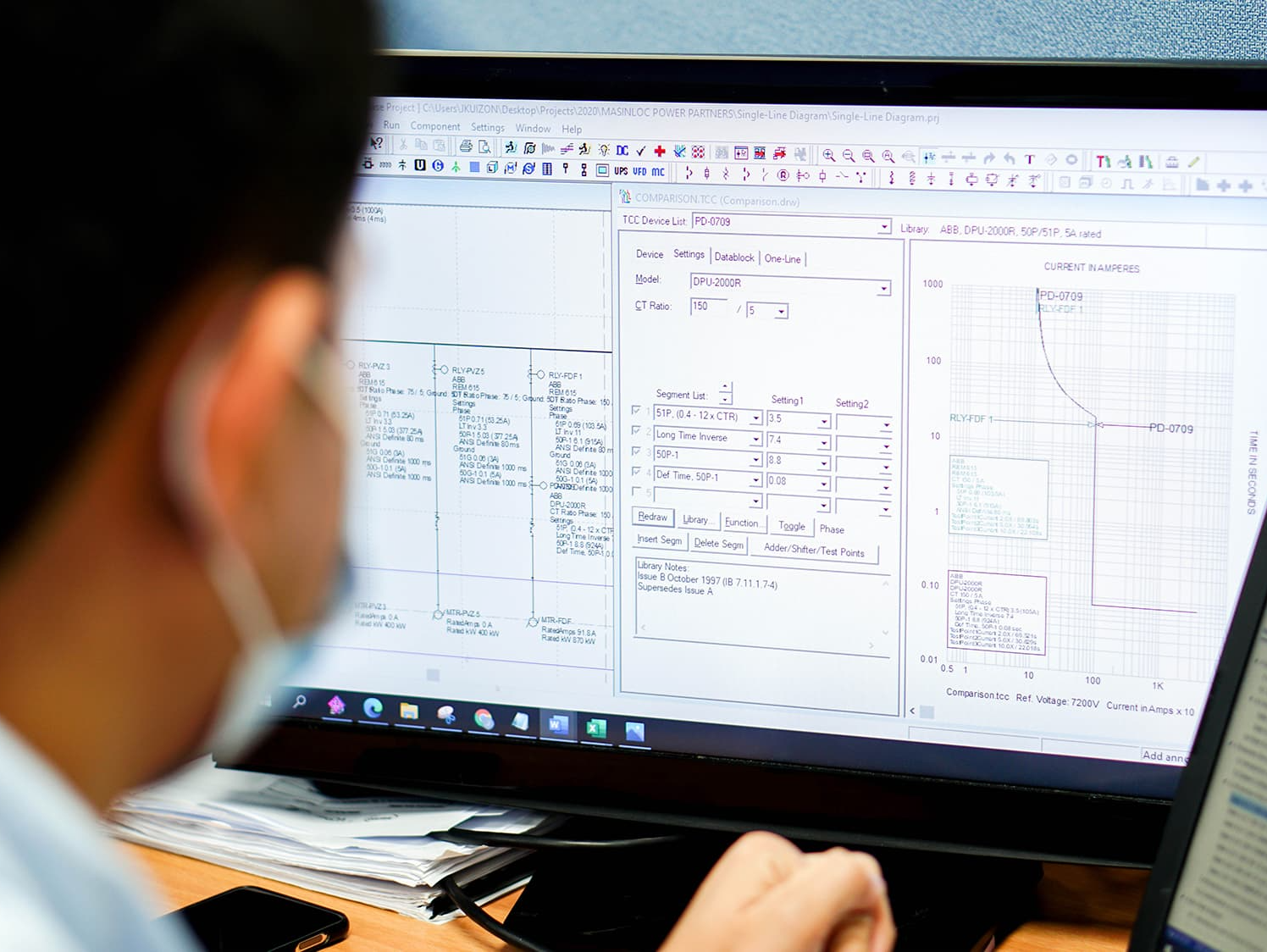
Electrical System Protection Coordination
Power System Analysis are an essential part of electrical power system design. Load flow analysis, short circuit analysis, and protection coordination are necessary to verify that the electrical system including the system components, are correctly specified to perform as intended, withstand expected stress, and be protected against failures.
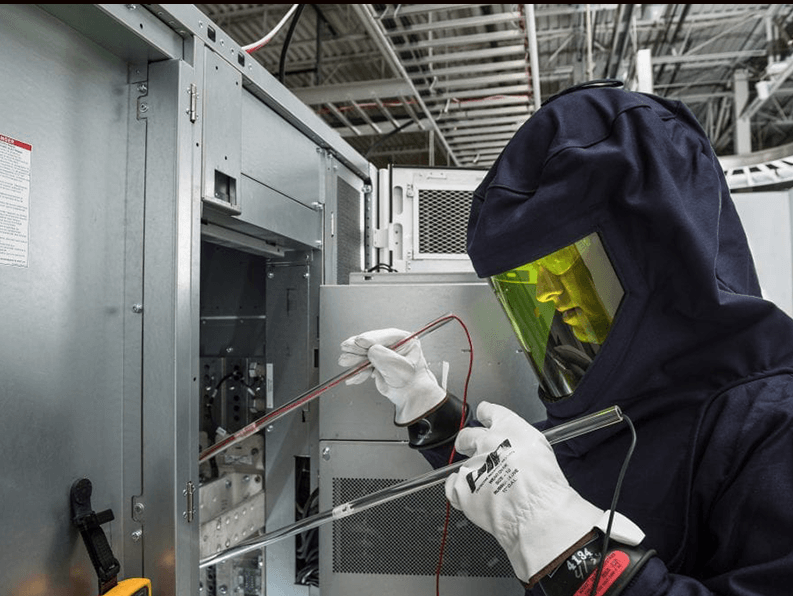
Electrical Safety in the Workplace for Mission Critical Facilities
This program will discuss the Electrical Safety-related work practices necessary to prevent workplace accidents. The program involves topics on preservation and protection of both the workers and the physical assets in the workplace hence, promoting a safe and healthy environment.
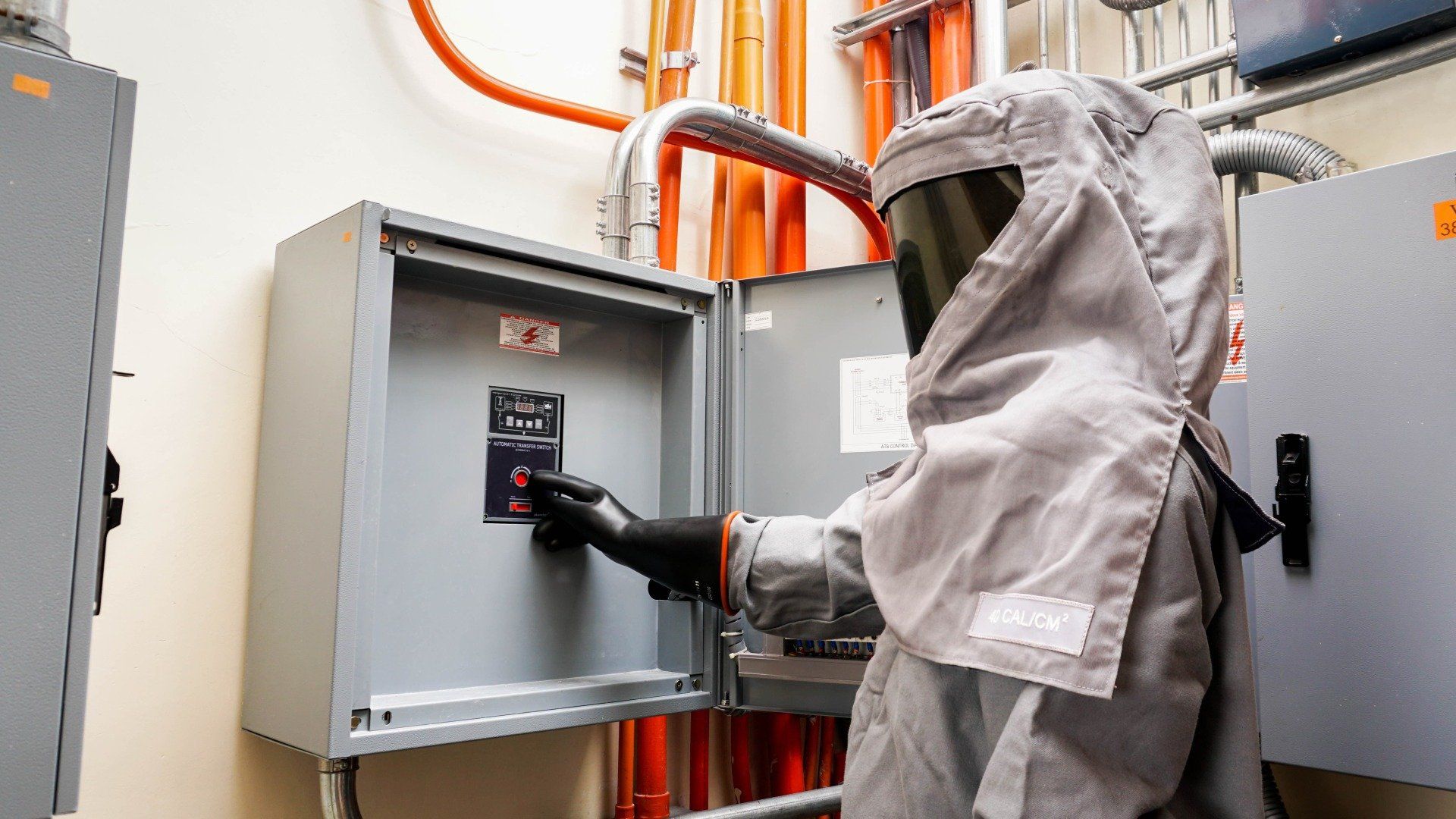
Arc Flash Risk Assessment
Proper implementation of Arc Flash Risk Assessment can significantly reduce injuries from Arc Flash and Arc blast events.
