
Technical Programs
Fundamentals and Testing of Medium Voltage Electrical System Course
OVERVIEW
This 4-day training provides practical and hands-on instruction on medium voltage (MV) electrical systems, covering system components, switchgear, cables, protective relaying, and metering. Participants will learn to safely perform MV cable testing, breaker diagnostics, and relay verification using industry-standard procedures, interpret test results for maintenance and troubleshooting, and apply protection and metering principles in real-world field applications. The course combines theory with hands-on exercises to equip engineers and technicians with the skills needed for reliable operation and maintenance of MV systems.
WHO SHOULD ATTEND
- Registered Electrical Engineers
- Project Engineers
- O&M
- Design Engineers who want to gain an edge in the industry!
LEARNING OBJECTIVES
By the end of this 4-day program, the participants will be able to:
- Understand HV cable construction, failure mechanisms, safety requirements, and applicable IEEE/IEC standards for cable testing and diagnostics.
- Perform and evaluate insulation resistance, VLF withstand, Tan δ, and partial discharge (PD) tests for accurate cable condition assessment.
- Analyze PD data, including phase-resolved patterns and interference mitigation, to identify insulation defects and degradation.
- Apply cable fault pre-location and pinpointing techniques using TDR, bridge methods, surge generators, acoustic detection, and sheath fault location.
TOPICS TO BE DISCUSSED
Day 1: Medium Voltage Overview, Components, and Safety
- Describe MV system components, switchgear types, and their field applications.
- Apply electrical safety procedures including PPE and LOTO in MV environments.
- Perform safe MV cable installation, termination, and jointing practices.
- Relate switchgear components to operational and maintenance requirements.
Day 2: Cable and Breaker Testing Techniques
- Perform insulation resistance, DC and VLF AC Hi-pot, and continuity tests on MV cables for field condition assessment.
- Conduct diagnostic testing on MV circuit breakers, including contact resistance, timing tests, vacuum bottle integrity, SF6 purity, and insulation power factor measurements.
- Interpret test results to determine equipment condition and maintenance needs in practical MV environments.
- Set up field tests safely, ensuring proper connections, clearances, and adherence to MV testing standards.
Day 3: Fundamentals of Protective Relaying and Metering
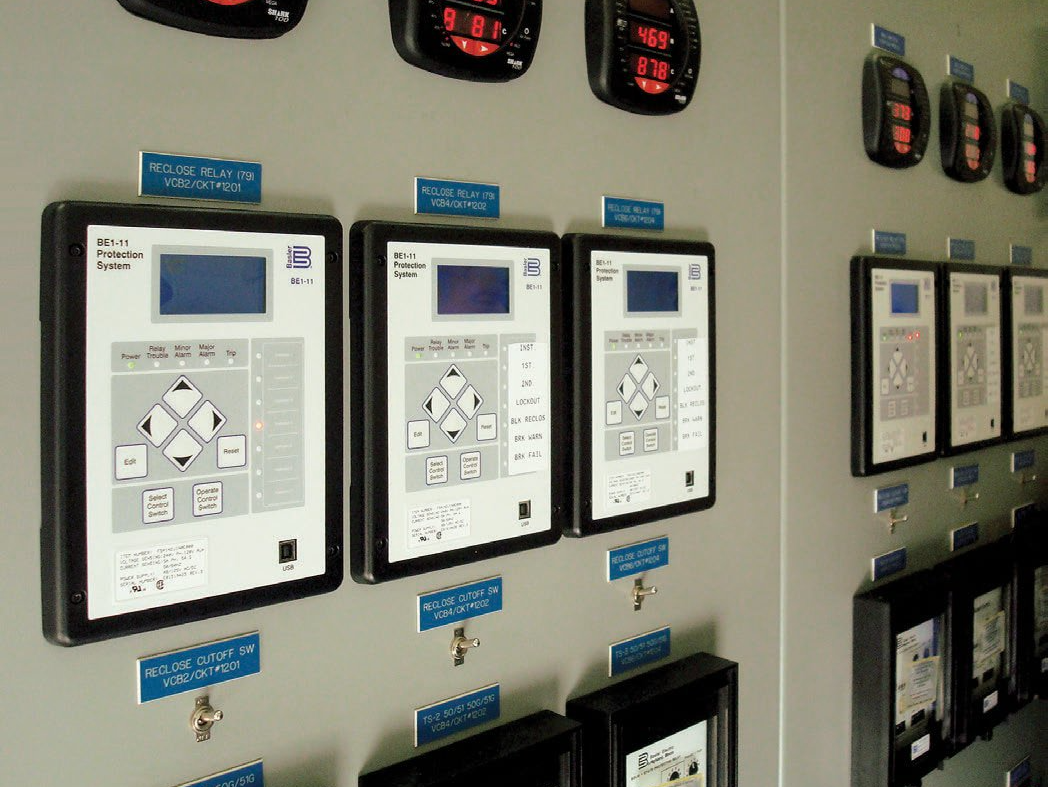
- Understand protective relaying principles, types of relays, and switchgear protection schemes for overcurrent, earth fault, differential, voltage, frequency, and distance protection.
- Analyze CT and PT construction, ratings, polarity, burden, and saturation for protection and metering applications.
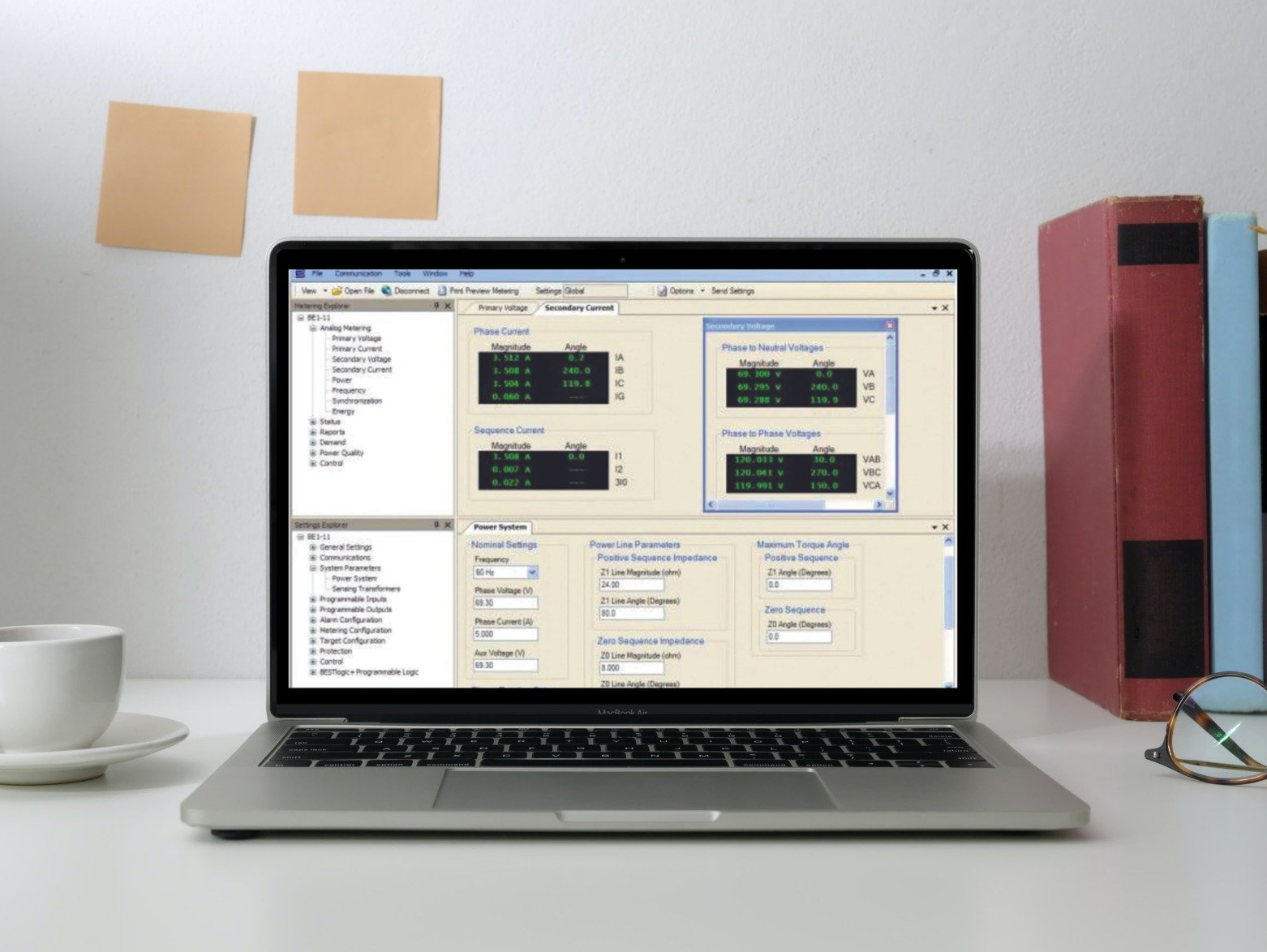
- Perform protection coordination, relay settings, and CT/VT ratio selection in MV switchgear.
- Apply metering fundamentals to ensure accurate voltage, current, and energy measurement in field systems.
Day 4: Hands-on Practice
- Set up field tests for MV cables, including insulation and continuity assessments.
- Conduct circuit breaker diagnostics and relay testing using standard procedures and manuals.
- Perform metering accuracy tests and apply protective settings in practical field exercises.
- Use instructional manuals, safety gear, and practical troubleshooting techniques to reinforce real-world skills.
RESOURCE PERSON 1

Engr. Eugene Mababa, REE
Protection Engineer
Westco Electrical & Equipment Corp.
Graduated Bachelor of Science in Electrical Engineering from Technological Institute of the Philippines.
His engineering practice involves facility site surveys, project analysis which includes sizing of transformer, feeder lines, standard pole height and clearances of medium voltage primary lines. He also conducts and performs protection relay (numerous brands/models i.e. Siemens, GE, Schneider, Fuji Electric, etc. and functions) testing and commissioning, interpreting manuals, schematic and wiring diagrams, protection relay retrofit works and preparation of schematic diagram after the retrofit works. A seasoned Lecturer of PamavTech and currently Protection Engineer of Westco Electrical & Equipment Corp.
RESOURCE PERSON 2

Engr. Jerome Pascual, REE
Testing and Commissioning Engineer
Westco Electrical & Equipment Corp.
Engr. Pascual graduated Bachelor of Science in Electrical Engineering from Technological Institute of the Philippines.
He attended trainings such as: SKM Power System Software Orientation, Building Wiring and Safety, Power System Loss Minimization and Load Balancing Seminar. He also handles the Electrical System Study of Universal Robina Corp BOPP Plant and UFLEX Plant 1, to assess the technical implications whether the electrical system complies with the minimum electrical standards such as Philippine Electrical Code and other applicable standards.
He is currently the Testing and Commissioning Engineer for Westco Electrical and Equipment Corp. and a resource speaker for Pamav Training Institute and Technology Center Inc.
RESOURCE PERSON 3
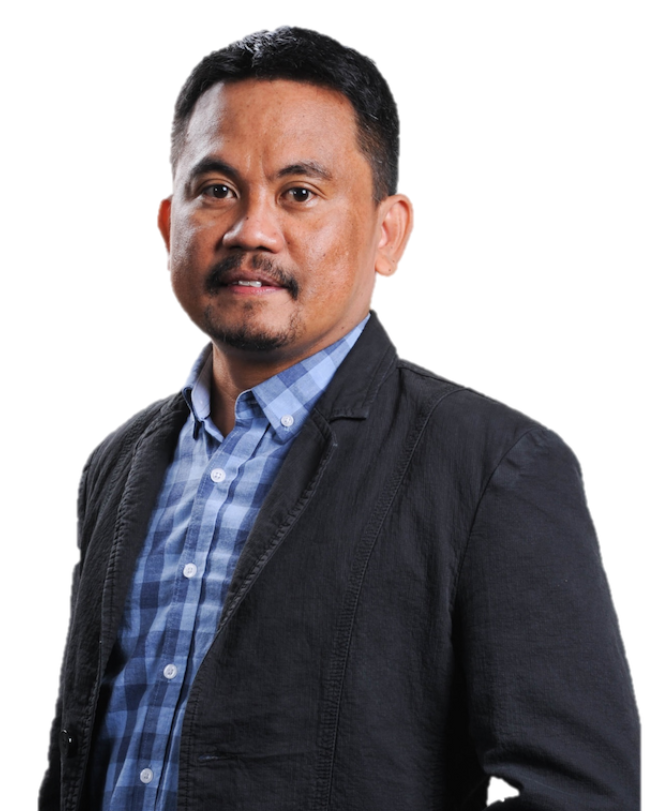
Engr. Alex Castro, PEE
Assistant Vice President – Engineering Services
Westco Electrical & Equipment Corp.
Engr. Castro graduated Bachelor of Science in Electrical Engineering from Technological Institute of the Philippines. He attended trainings on Variable Frequency Drive Control Methods & Applications, Condition Assessment of Electrical Equipment, Power Circuit Breaker Testing & Maintenance.
Some of his achievements in the field are Online bushing monitoring of two (2) units Power Transformer in XIAN ELECTRIC & NGCP (SUBA & AMLAN) substations), Comprehensive Transformer Testing with Dissolved Gas Analysis and comprehensive oil test of 3.75 MVA, 3 phase Power Transformer in Wyeth, Philippines.
Engr. Castro's exposure to testing of substation apparatus, made him an expert in the field; such as power transformers, potential transformers, current transformers, circuit breakers, disconnect switches and surge arresters equip him with the technical knowledge and experience to share in his seminars.
RESOURCE PERSON 4

Engr. Eduardo Pabuna Jr., PEE
Assistant Vice President - Engineering Solutions
Westco Electrical & Equipment Corp.
He has 25 years of accumulated experience in Condition Base and Preventive Maintenance Testing, Power Systems Protection, Electrical System Design and Analysis, Electrical Safety and Technical Sales.
RESOURCE PERSON 5

Engr. Rodolfo Peñalosa, PEE, PECE, APEC, ACPE, IIEEF, CEM, CEA
President and Training Director
WESTCO Electrical and Equipment Corp.
PAMAV Training Institute and Technology Center, Inc.
Engr. Peñalosa has extensive experience for almost five decades as a Professional Electrical Engineer and other engineering disciplines under his title. . He is a technical speaker and official delegate in various conferences and seminars such as Power System Maintenance in Doble Engineering Conference in Boston, Electrical Design Simulation Analysis on Short Circuit at San Diego California and Power Quality - High Voltage Power Factor Correction with Harmonics at Finland to name a few.
Engr. Peñalosa's significant contribution in the electrical industry is when he was Chairman of the Board of Electrical Engineering from the Professional Regulation Commission (PRC) for nearly 11 years. He was former Chairman for the Technical Panel for Engineering & Technology (TPET) with the Commission on Higher Education (CHED) and former President at Institute of Integrated Electrical Engineers of the Philippines (IIEE) and Society for Philippine Electrical Contractors and Suppliers Inc. (SPECS), Philippine Institute of Construction Arbitrators and Mediators (PICAM) and former President of the (COFILCO) Confederation of Filipino Consulting Organization.
Engr. Peñalosa also conducted studies under the Development Bank of the Philippines - Physical Infrastructure and Technology - Communication Studies-, developed an electrical construction methodology with JICA and conducted studies on Urban lnstructure Development on Information Technology with BLISTT Project: Baguio, La Trinidad, ltogon, Sablan, Tuba, Tublay Groth Areas.
He is currently the President of WESTCO Electrical Equipment Corp., Engineering Director of VCP Trading International Corp. and (PamavTech), PAMAVTraining Institute & Technology Center, Inc., and its Training Director.
REQUIREMENTS
- Basic knowledge of electrical systems and safety
- Background in electrical engineering, electrical technology, or related field
- Understanding of basic power distribution concepts
- Ability to read single-line diagrams is an advantage
- No advanced MV experience required for beginner/fundamental courses
TRAINING INCLUSIONS
- Certificate of Attendance
- E-Handouts
- Earn CPD Points for ELECTRICAL ENGINEERING
This program is accredited by:
Top Courses
Electrical System Protection Coordination
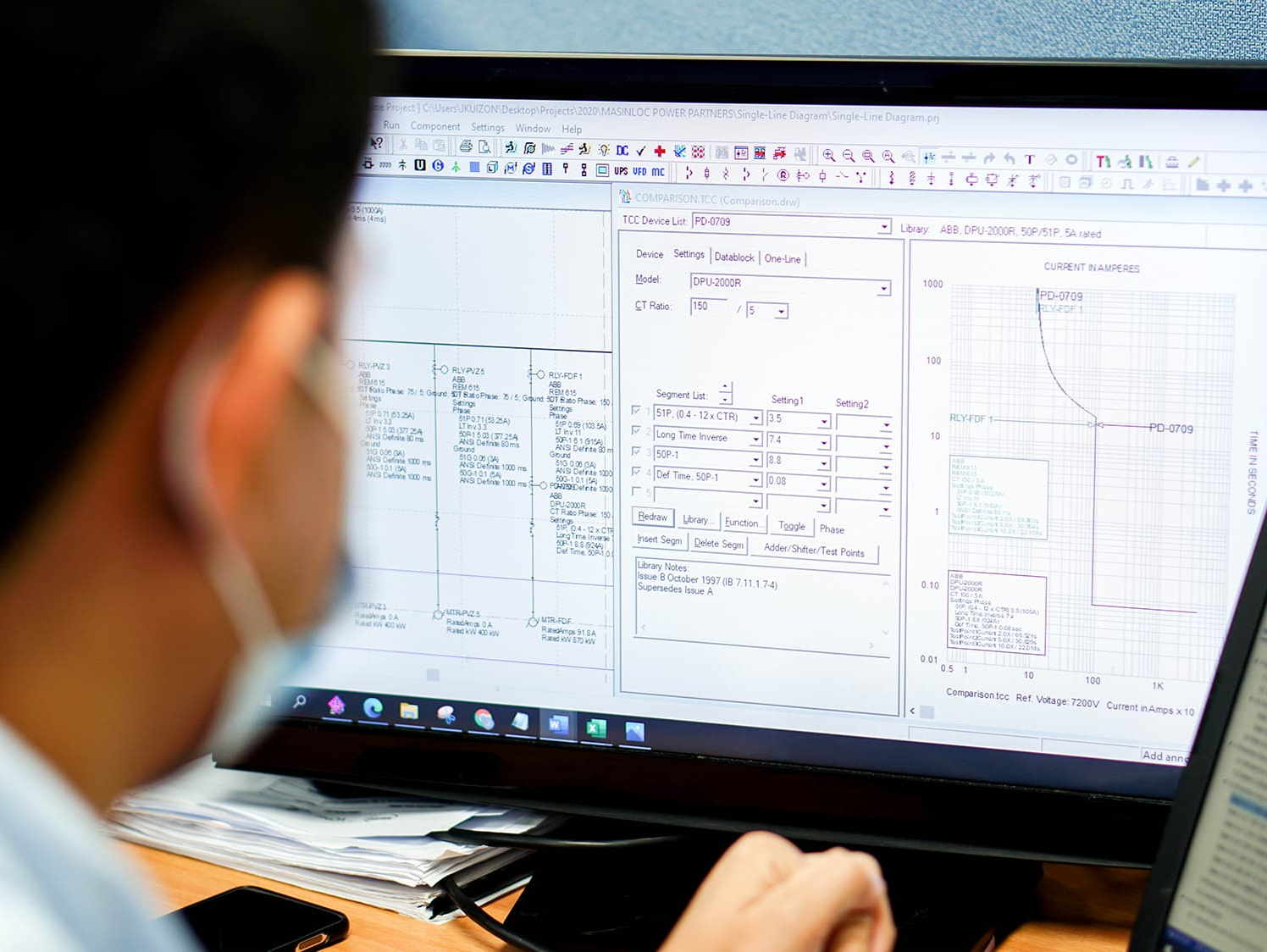
Power System Analysis are an essential part of electrical power system design. Load flow analysis, short circuit analysis, and protection coordination are necessary to verify that the electrical system including the system components, are correctly specified to perform as intended, withstand expected stress, and be protected against failures.
Electrical Safety in the Workplace for Mission Critical Facilities
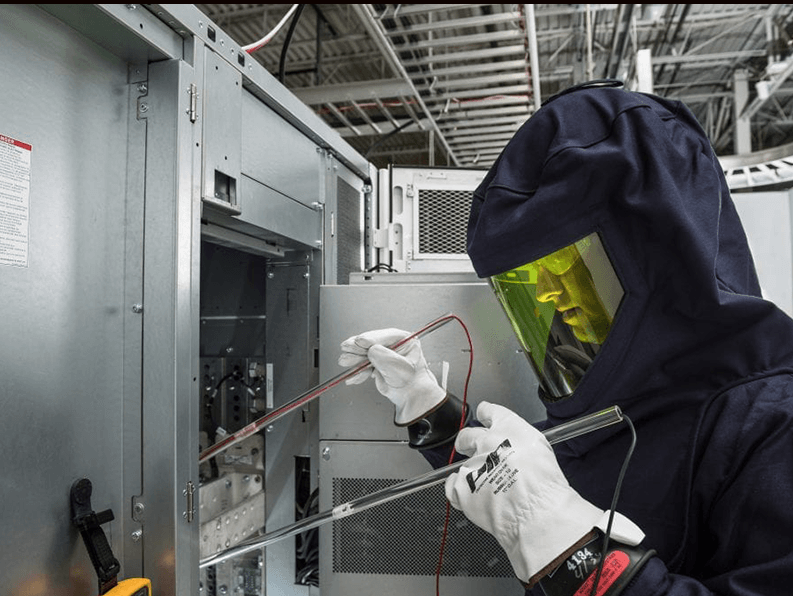
This program will discuss the Electrical Safety-related work practices necessary to prevent workplace accidents. The program involves topics on preservation and protection of both the workers and the physical assets in the workplace hence, promoting a safe and healthy environment.
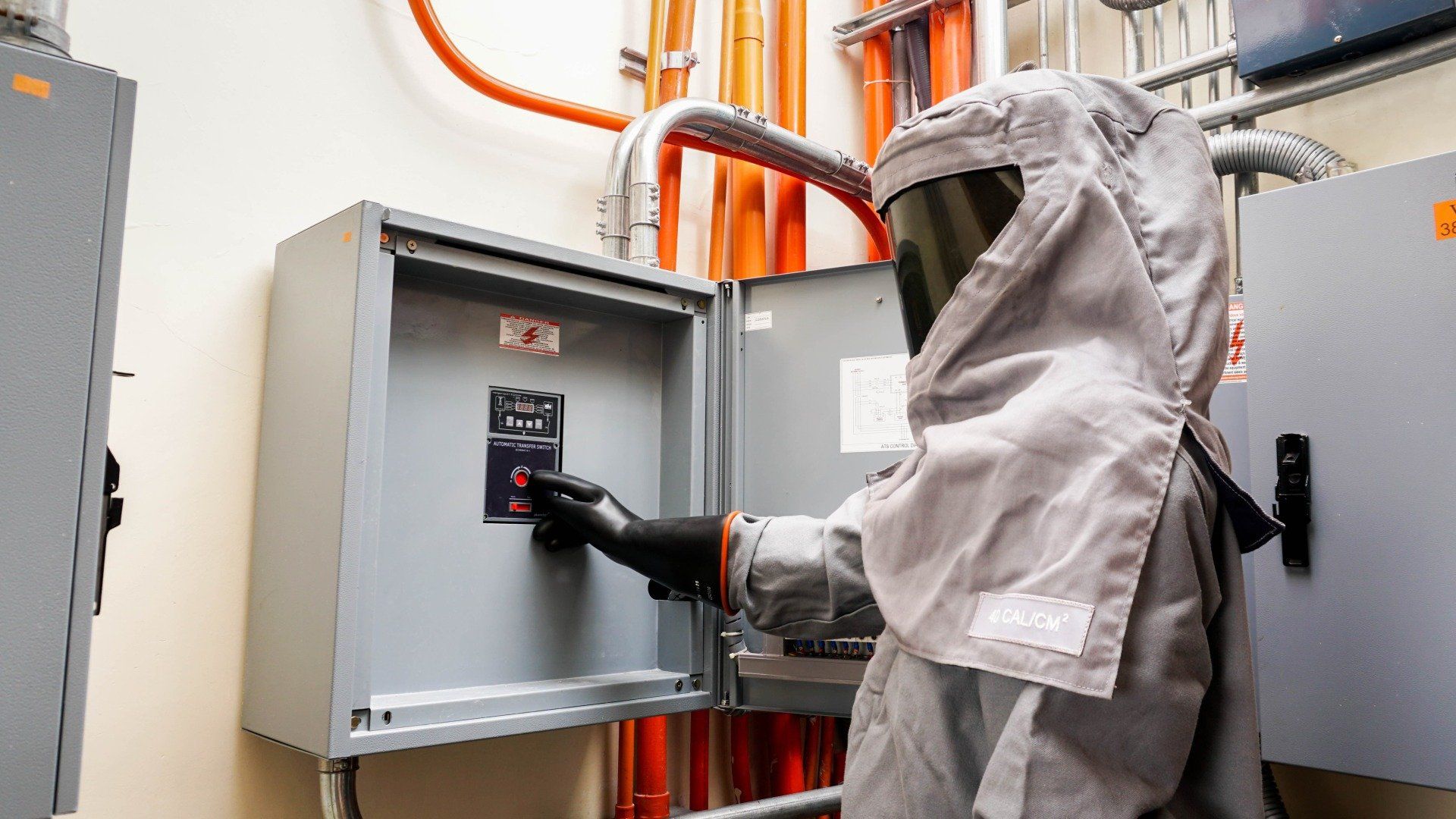
Arc Flash Risk Assessment
Proper implementation of Arc Flash Risk Assessment can significantly reduce injuries from Arc Flash and Arc blast events.