

Technical Programs
Fundamentals of Protective Relaying
OVERVIEW
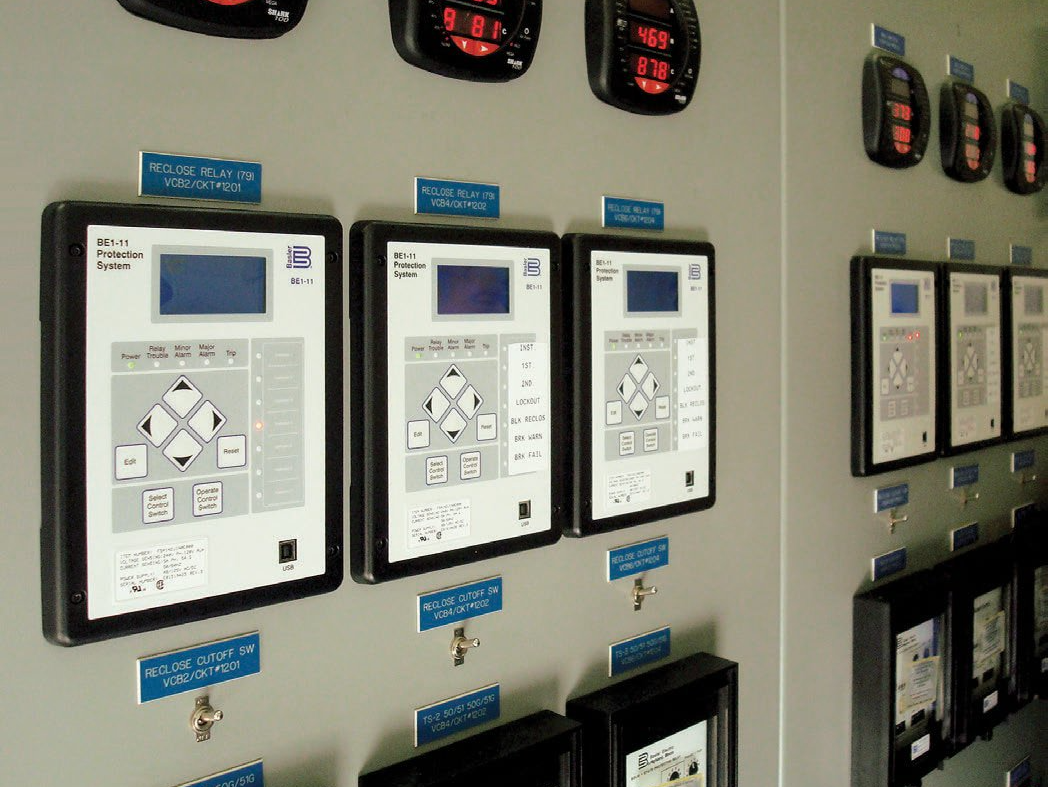
Power system - Protective Relaying, in an electrical network protects the electrical system of a plant or any facility and it requires analysis, calibration, troubleshooting on any unusual changes, faults, and disturbances. This seminar will cover Protective relaying in power genera on, transmission, distribution and large loads; furthermore, it will also provide a strong foundation of basic applications and advances in protective relaying that is very useful in planning, operating, and managing electric power systems.
LEARNING OBJECTIVES
By the end of this 3-day program, the participants will be able to:
- Understand common protective relaying applications and functions based on industry standards and best practices
- Identify and apply recommended protection settings used in real-world field installations
- Perform protection device setting calculations to ensure reliable and coordinated operation
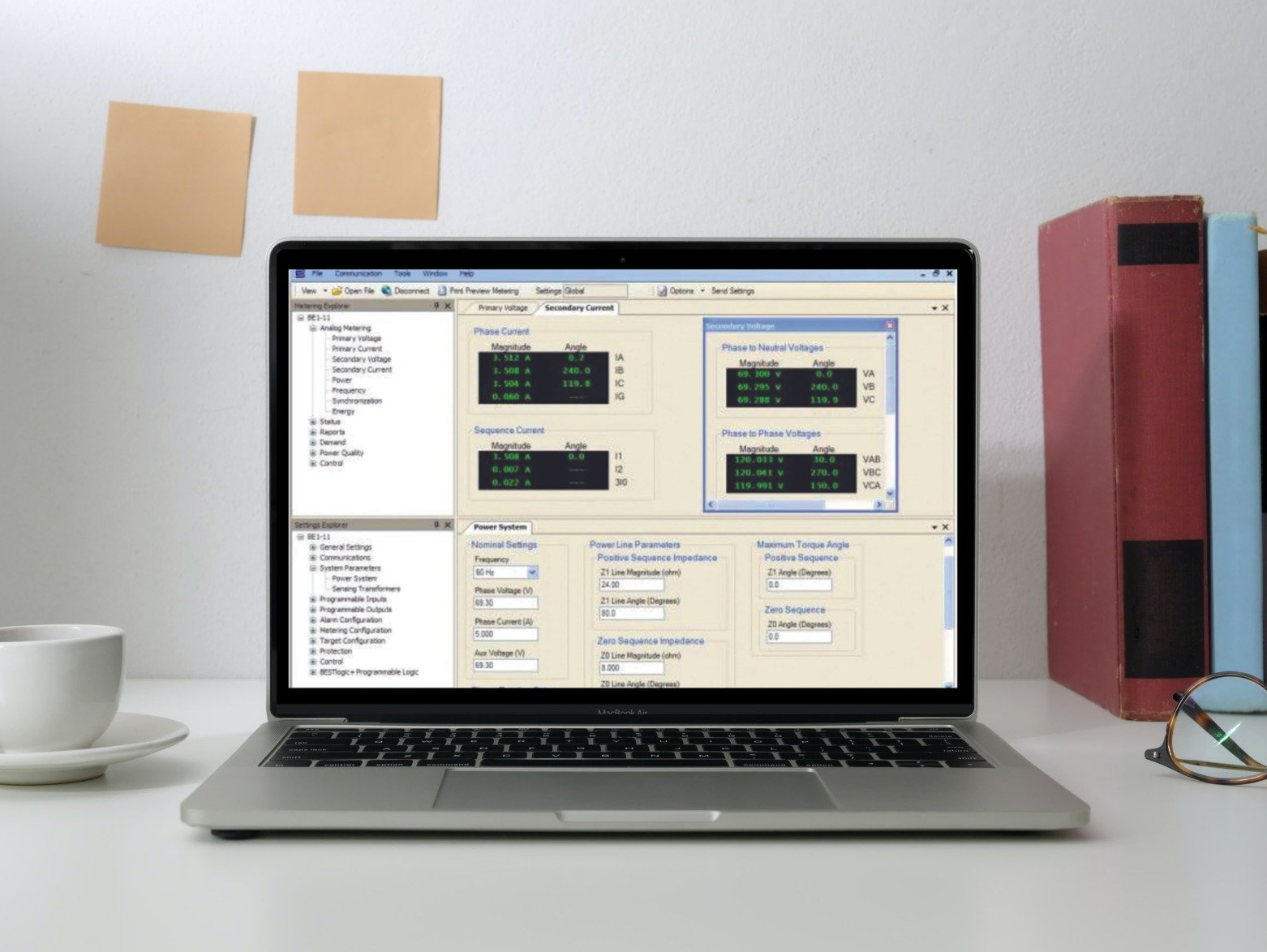
- Configure fundamental settings and logic of multifunction relays using modern relay software
TOPICS TO BE DISCUSSED
DAY 1: Fundamentals of Power System Protection
Course Introduction
Module 1
At the end of this module, the participants should be able to:
- Understand the fundamental principles of protective relaying and their role in power system reliability
- Identify power system abnormalities and factors that influence protective system design
- Recognize key power system components and how protection is applied across the network
- Explain the evolution of protective relays and define zones of protection for effective fault isolation
Module 2: Non – directional overcurrent protection
At the end of this module, the participants should be able to:
- Understand the fundamentals of non-directional overcurrent protection and its role in power system safety
- Apply methods of discrimination to coordinate protective devices effectively
- Interpret time-current characteristic curves to assess device operation under fault conditions
- Analyze equipment damage curves to ensure proper protection and minimize system impact
DAY 2: Fundamentals of Power System Protection
Course Introduction
Module 3
At the end of this module, the participants should be able to:
- Understand the advantages of numerical relays and their role in modern power systems
- Familiarize with relay components and test instruments for practical applications
- Apply relay setting and testing procedures to ensure accurate protection operation
- Gain hands-on experience programming and testing overcurrent protection relays
DAY 3: Transformer protection and Post – Fault Analysis
Course Introduction
Module 4
At the end of this module, the participants should be able to:
- Understand transformer vector configurations and their impact on protection schemes
- Apply overcurrent, differential, and ancillary protection methods for transformers
- Perform hands-on differential relay programming and testing for practical experience
- Conduct post-fault analysis to evaluate system performance and improve reliability
RESOURCE PERSON

Engr. Eugene Mababa, REE
Protection Engineer
Westco Electrical & Equipment Corp.
Graduated Bachelor of Science in Electrical Engineering from Technological Institute of the Philippines.
His engineering practice involves facility site surveys, project analysis which includes sizing of transformer, feeder lines, standard pole height and clearances of medium voltage primary lines. He also conducts and performs protection relay (numerous brands/models i.e. Siemens, GE, Schneider, Fuji Electric, etc. and functions) testing and commissioning, interpreting manuals, schematic and wiring diagrams, protection relay retrofit works and preparation of schematic diagram after the retrofit works. A seasoned Lecturer of PamavTech and currently Protection Engineer of Westco Electrical & Equipment Corp.
REQUIREMENTS
- This training is open to electrical engineers, electricians, technicians, maintenance personnel, testing and commissioning personnel, students, and individuals involved in electrical power systems.
- Participants with basic knowledge in electricity, electrical safety, and power distribution systems are encouraged to join.
- Familiarity with electrical protection systems and relays is an advantage; however, no prior experience in protective relaying is required for introductory-level programs.
- Participants may be advised to bring a personal laptop for technical discussions, software demonstrations, and workshop activities
TRAINING INCLUSIONS
- Certificate of Attendance
- E-Handouts
- Earn CPD Points for ELECTRICAL ENGINEERING
This program is accredited by:

Top Courses

Electrical System Protection Coordination
Power System Analysis are an essential part of electrical power system design. Load flow analysis, short circuit analysis, and protection coordination are necessary to verify that the electrical system including the system components, are correctly specified to perform as intended, withstand expected stress, and be protected against failures.
Electrical Safety in the Workplace for Mission Critical Facilities
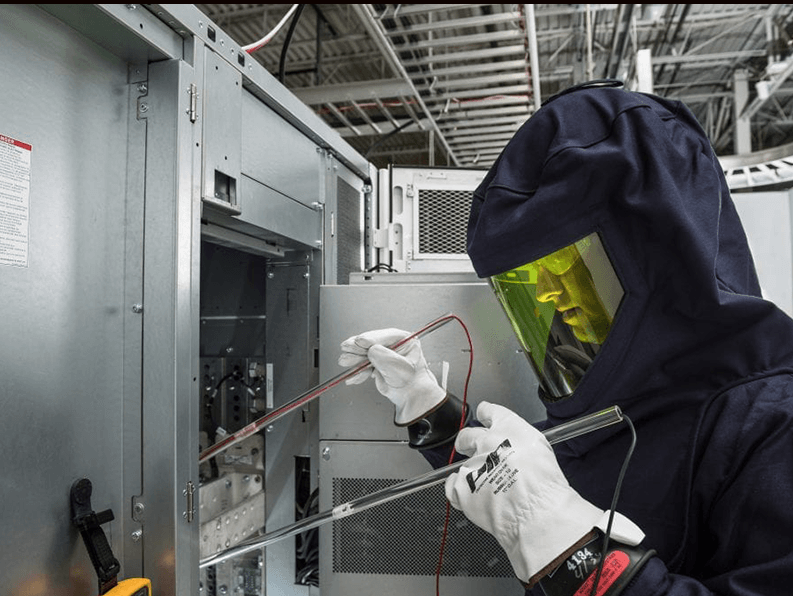
This program will discuss the Electrical Safety-related work practices necessary to prevent workplace accidents. The program involves topics on preservation and protection of both the workers and the physical assets in the workplace hence, promoting a safe and healthy environment.
Arc Flash Risk Assessment
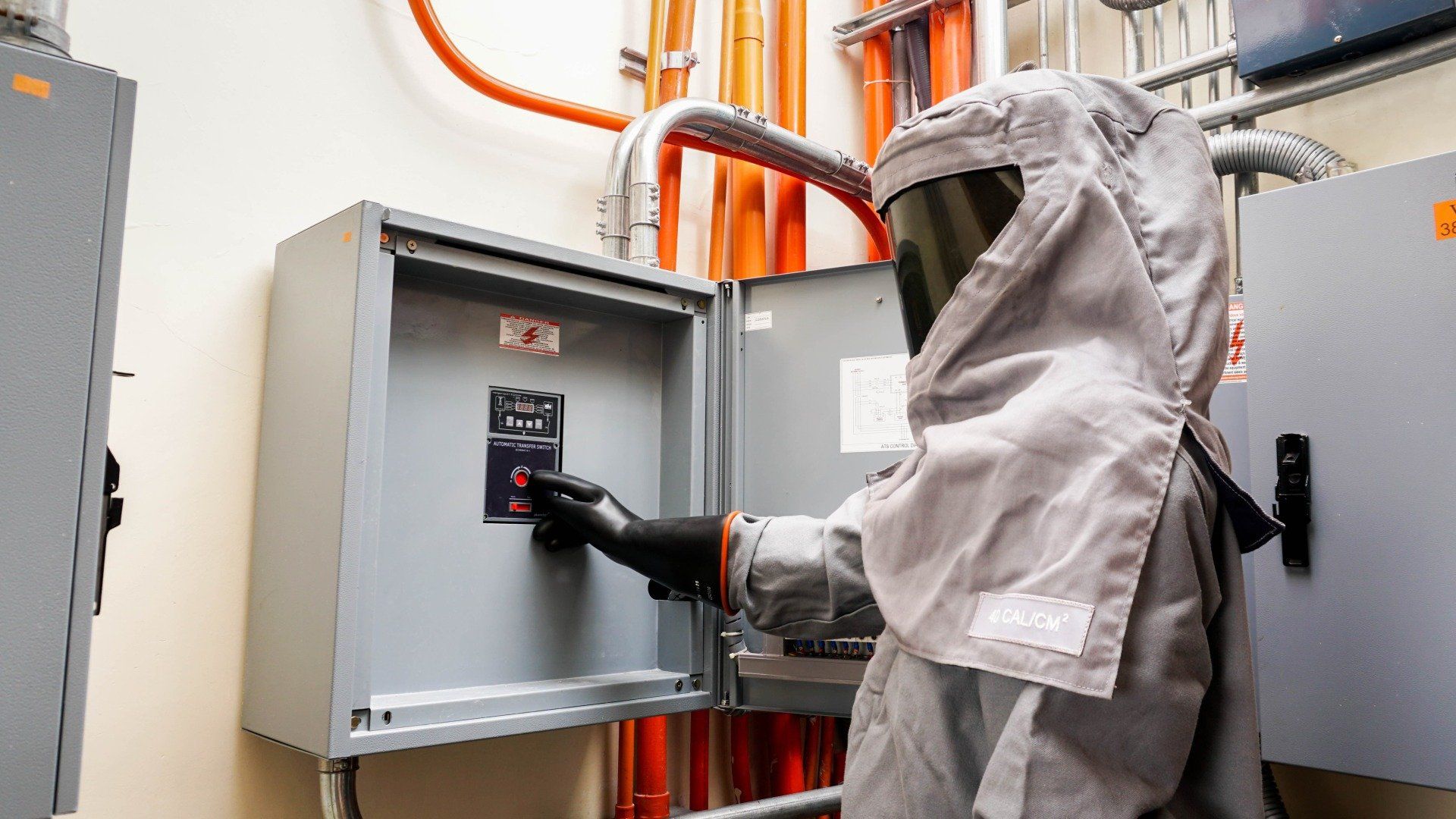
Proper implementation of Arc Flash Risk Assessment can significantly reduce injuries from Arc Flash and Arc blast events.