
Technical Programs
Megger Insulation Resistance Test
OVERVIEW
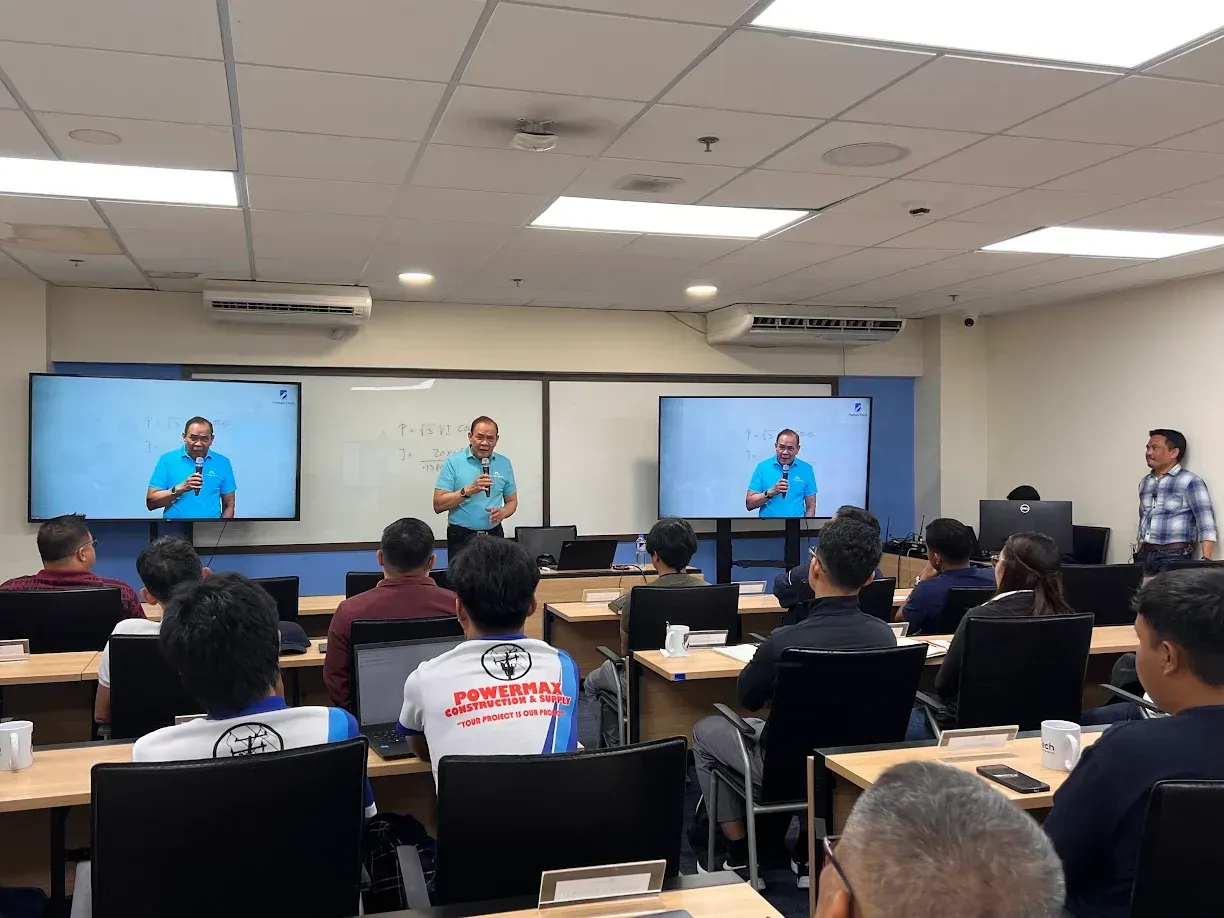
This program focuses on the principles and application of Megger insulation resistance testing for electrical equipment. Topics include test theory, standards, test modes, voltage selection, and safety practices. Participants will perform insulation resistance testing on cables, circuit breakers, rotating machines, transformers, and bushings, and analyze test results to evaluate insulation condition and equipment integrity.
LEARNING OBJECTIVES
At the end of the program, the participants will be able to:
- Understand the principles, theory, and purpose of insulation resistance testing
- Explain factors affecting insulation resistance such as temperature, moisture, and aging
- Identify applicable standards, test types, and test modes for insulation resistance testing
- Select appropriate test voltage levels and test duration for different equipment
- Perform insulation resistance testing safely using a Megger test instrument
- Conduct insulation resistance tests on cables, circuit breakers, rotating machines, transformers, and bushings
- Interpret test results, including polarization index and time-resistance characteristics
- Evaluate insulation condition and identify abnormal or deteriorating insulation behavior
- Document test results accurately in accordance with standard reporting practices
- Use insulation resistance test results to support maintenance, commissioning, and troubleshooting activities
TOPICS TO BE DISCUSSED
DAY 1
Course Introduction
A. Introduction to Insulation Resistance
By the end of this module, participants will be able to:
- Define insulation resistance and explain its role in electrical system safety and reliability
- Identify common causes of insulation deterioration in electrical equipment
- Recognize the importance of insulation resistance testing in preventive maintenance programs
- Relate insulation resistance concepts to real-world electrical maintenance and testing careers
B. Theory Behind Insulation Resistance Test
By the end of this module, participants will be able to:
- Explain the electrical principles governing insulation resistance and leakage current
- Describe how voltage, temperature, and moisture affect insulation resistance values
- Understand polarization index (PI) and dielectric absorption concepts
- Apply theoretical knowledge to improve accuracy in field testing and diagnostics
C. Types of Insulation Resistance Tests
By the end of this module, participants will be able to:
- Identify different types of insulation resistance tests and their applications
- Differentiate between spot, time-resistance, and step-voltage tests
- Select the appropriate test method based on equipment type and condition
- Strengthen decision-making skills required for testing and commissioning roles
D. ANSI NETA Standard for Insulation Resistance
By the end of this module, participants will be able to:
- Understand the purpose and scope of ANSI/NETA standards
- Interpret insulation resistance acceptance criteria per ANSI/NETA guidelines
- Apply standard requirements to field testing and documentation
- Enhance employability by demonstrating standards-based testing competence
E. Test Modes
By the end of this module, participants will be able to:
- Identify common insulation resistance test modes and their functions
- Understand voltage selection and duration for each test mode
- Safely configure test instruments for various test conditions
- Improve testing efficiency and safety in industrial and utility environments
F. Insulation Resistance Testing
By the end of this module, participants will be able to:
- Perform insulation resistance testing on power cables, circuit breakers, rotating machines, transformers, and bushings to develop hands-on skills required for electrical maintenance, testing, and commissioning roles.
- Apply correct testing procedures and safety practices for various electrical assets, strengthening competency in field operations and compliance-driven work environments.
- Interpret insulation resistance results to evaluate equipment condition and reliability, enabling effective troubleshooting and supporting reliability-centered maintenance careers.
- Use insulation resistance test data to support maintenance planning and asset management decisions, increasing value as a technician or engineer focused on reducing failures and extending equipment life.
RESOURCE PERSON

Engr. Jerome Pascual, REE
Testing and Commissioning Engineer
Westco Electrical & Equipment Corp.
Engr. Pascual graduated Bachelor of Science in Electrical Engineering from Technological Institute of the Philippines.
He attended trainings such as: SKM Power System Software Orientation, Building Wiring and Safety, Power System Loss Minimization and Load Balancing Seminar. He also handles the Electrical System Study of Universal Robina Corp BOPP Plant and UFLEX Plant 1, to assess the technical implications whether the electrical system complies with the minimum electrical standards such as Philippine Electrical Code and other applicable standards.
He is currently the Testing and Commissioning Engineer for Westco Electrical and Equipment Corp. and a resource speaker for Pamav Training Institute and Technology Center Inc.
REQUIREMENTS
- This training is open to electrical engineers, electricians, technicians, maintenance personnel, testing and commissioning personnel, students, and individuals involved in electrical installation and maintenance works.
- Participants with basic knowledge in electricity, electrical safety, and testing instruments are encouraged to join.
- No prior experience in Megger or insulation resistance testing is required for introductory-level programs.
- Proper safety procedures must be observed during hands-on and laboratory activities.
TRAINING INCLUSIONS
- Certificate of Attendance
- E-Handouts
This program is accredited by:
Top Courses

Electrical System Protection Coordination
Power System Analysis are an essential part of electrical power system design. Load flow analysis, short circuit analysis, and protection coordination are necessary to verify that the electrical system including the system components, are correctly specified to perform as intended, withstand expected stress, and be protected against failures.
Electrical Safety in the Workplace for Mission Critical Facilities
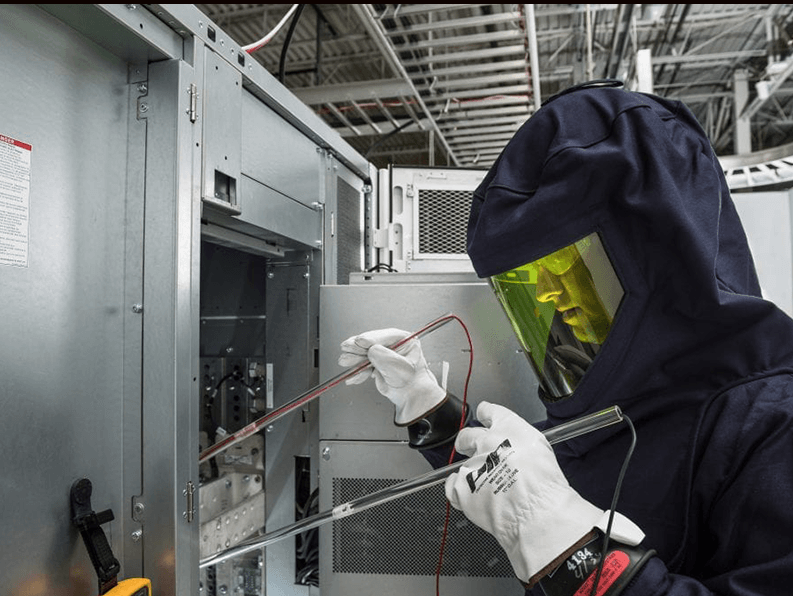
This program will discuss the Electrical Safety-related work practices necessary to prevent workplace accidents. The program involves topics on preservation and protection of both the workers and the physical assets in the workplace hence, promoting a safe and healthy environment.
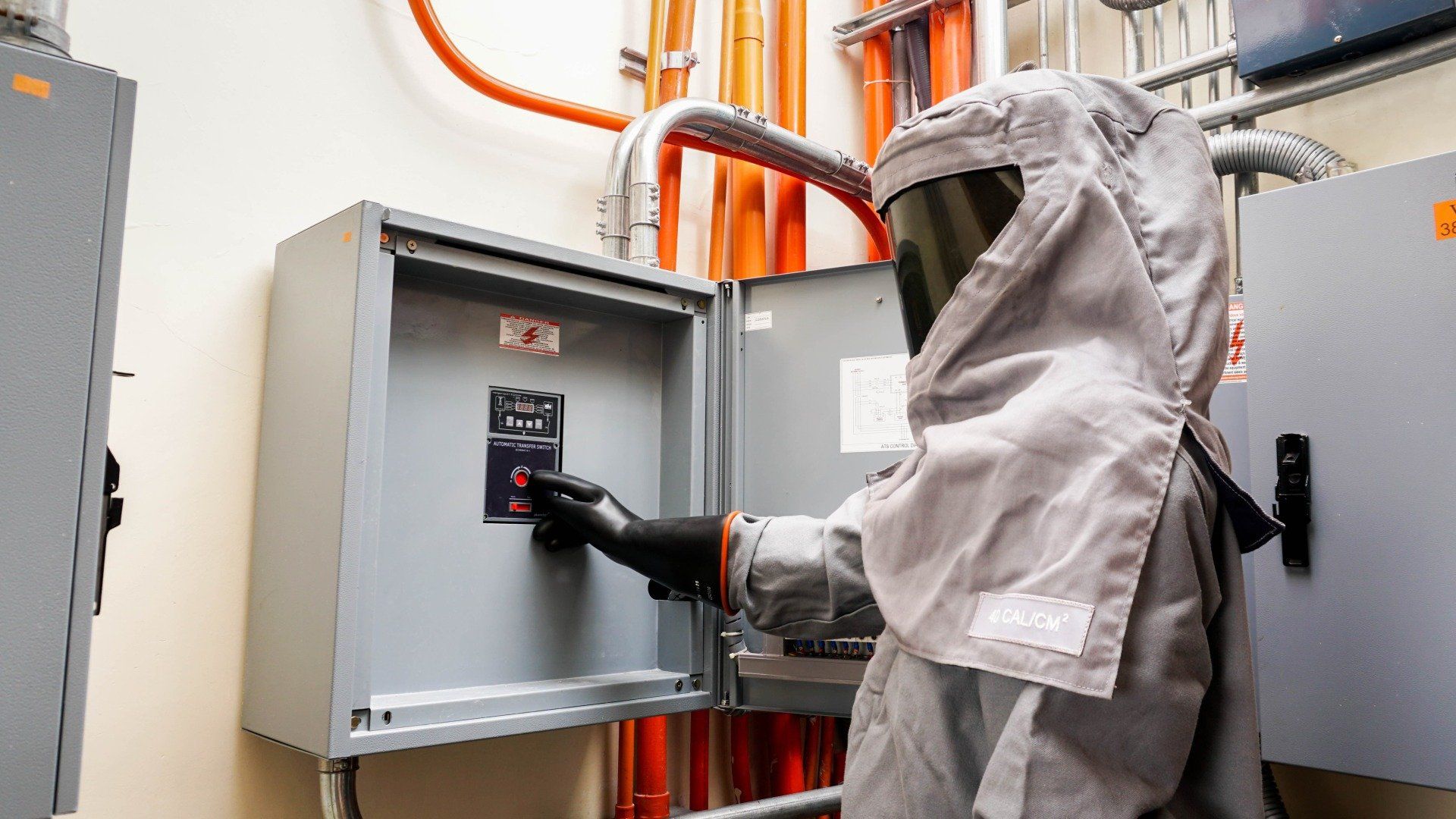
Arc Flash Risk Assessment
Proper implementation of Arc Flash Risk Assessment can significantly reduce injuries from Arc Flash and Arc blast events.